Analyze Kakobuy Reviews & Refine Daigou Decisions with Kakobuy Spreadsheet
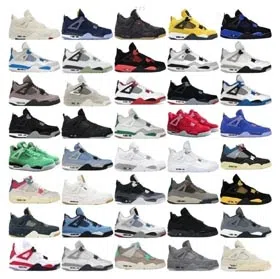


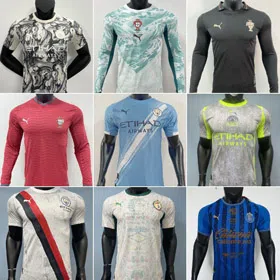
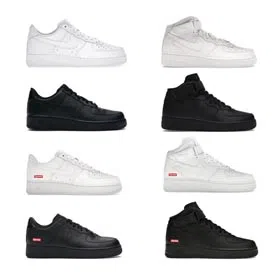




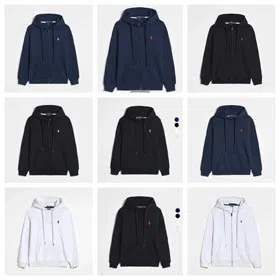
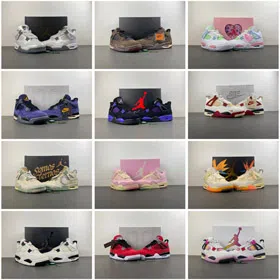

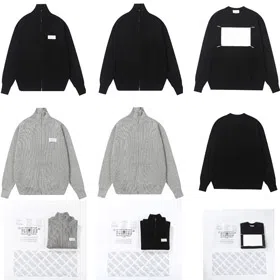



Kakobuy has become a leading cross-border daigou (代购) platform for fashion, footwear, and luxury goods, boasting a diverse catalog of trending products like the $34.25 Jordan 4 Retro-0001, $38.08 Prada Casual Sneakers-0015, and $47.95 Louis Vuitton fashion bag-0185 featured on https://kakobuy.fun/hot. For daigou shoppers, Kakobuy Review—the platform’s consumer feedback section—holds invaluable real-world insights into product quality, shipping efficiency, seller reliability, and after-sales service. Yet the sheer volume of unorganized reviews can make it hard to extract actionable information, often leading to uninformed purchasing decisions and avoidable daigou risks. The Kakobuy Spreadsheet solves this challenge by serving as a powerful tool to categorize, organize, and analyze consumer reviews systematically. By using the spreadsheet to sort feedback by product category, extract key insights on quality and service, and identify recurring trends, shoppers can turn messy review data into a data-driven reference for their Kakobuy daigou choices. This article explores how to leverage Kakobuy Spreadsheet to mine the true value of Kakobuy Reviews, ensuring every daigou decision on the platform is backed by authentic consumer experiences and objective analysis.
Why Kakobuy Reviews Matter for Cross-Border Daigou Decisions
Kakobuy Reviews are the most authentic source of information for cross-border shoppers, far more reliable than generic product descriptions or curated seller content. Unlike brand marketing materials, these reviews come from real buyers who have experienced the entire daigou journey—from ordering and shipping to receiving and using the product—on Kakobuy. For popular items on https://kakobuy.fun/hot, such as the $16.44 Nike Air Force-0012 or $82.19 Balenciaga Triples-0515, reviews reveal critical details that can make or break a daigou purchase: a sneaker’s material quality matching the listing, a luxury bag’s stitching accuracy, a seller’s response speed to inquiries, or the timeliness of international shipping.
However, unprocessed Kakobuy Reviews present two major challenges for shoppers:
Information Overload: Hundreds of reviews for a single hot product, ranging from short one-sentence comments to detailed long-form feedback, make it difficult to spot key trends at a glance.
Unstructured Data: Reviews mix random thoughts on product quality, service, shipping, and even personal preferences, with no clear categorization to separate useful insights from irrelevant comments.
Mixed Sentiments: Positive, negative, and neutral feedback are intermingled, leaving shoppers unable to quickly gauge a product’s or seller’s overall performance.
For cross-border daigou, where returns and exchanges are cumbersome and costly, relying on unanalyzed reviews is a risky gamble. The Kakobuy Spreadsheet transforms this unstructured feedback into organized, actionable data, turning Kakobuy Reviews from a source of confusion into a trusted guide for smart daigou decisions.
Building a Kakobuy Spreadsheet for Review Analysis: A Customized Template
A well-designed Kakobuy Spreadsheet for review analysis is tailored to the unique characteristics of Kakobuy’s product catalog and review system, with a focus on the hot items from https://kakobuy.fun/hot. The template requires no advanced spreadsheet skills—its core design centers on categorization columns, sentiment tracking, and key insight extraction, with simple formatting to highlight critical trends. Whether using Google Sheets (for cloud sync and on-the-go updates) or Excel (for advanced filtering), the spreadsheet has two core tabs: a Review Log & Categorization Tab for raw data entry and a Insight Mining & Trend Analysis Tab for turning data into actionable takeaways. This structure ensures every piece of feedback from Kakobuy Reviews is logged, sorted, and analyzed for maximum value.
Tab 1: Kakobuy Review Log & Categorization – The Data Foundation
This tab is where you log and organize every review from Kakobuy, turning unstructured text into labeled, filterable data. It is designed to capture all critical details of a review, with columns that align with the core concerns of daigou shoppers—product quality and service level—the two pillars of any successful Kakobuy purchase. For each review, log the following information (curated for Kakobuy’s most popular product categories: footwear, luxury bags, apparel, and electronics):
Product Core Info: Brand, style name, SKU (matching Kakobuy listings, e.g., Jordan 4 Retro-0001, Gucci-0765), price, and a direct link to the product’s page on https://kakobuy.fun/hot for quick cross-referencing.
Review Basic Details: Reviewer ID (anonymized), review date, and review length (short: <50 words, medium: 50–150 words, long: >150 words)—long reviews often contain more detailed, actionable insights.
Sentiment Rating: A 1–5 star rating (matching the reviewer’s star score on Kakobuy) and a text label: Positive (P), Neutral (N), Negative (Neg)—the foundation for sentiment analysis.
Review Focus Categorization: A dropdown menu to label the review’s main topic, the most critical column for organization. The options are tailored to daigou’s core concerns:
Product Quality (PQ): Material, craftsmanship, authenticity, size/fit accuracy, durability (e.g., "sneaker material is as described", "bag stitching is poor").
Service Level (SL): Seller response speed, order confirmation, customization support, communication clarity (e.g., "seller replied in 1 hour", "no update on order status").
Shipping & Logistics (S&L): Delivery speed, packaging quality, shipping cost accuracy, tracking availability (e.g., "arrived in 7 days", "packaging damaged in transit").
After-Sales Service (AS): Return policy execution, refund speed, problem-solving efficiency (e.g., "full refund for defective product", "seller ignored return requests").
Mixed (M): Reviews covering multiple topics (e.g., great quality but slow shipping).
Key Quote Extraction: A short cell to copy the most impactful sentence from the review (e.g., "Balenciaga Triples fit true to size and material is authentic", "LV belt’s leather peeled after 2 weeks of use")—avoids the need to re-read the entire review for insights.
Additional Notes: A flexible cell for random but useful details (e.g., "reviewer is a frequent Kakobuy shopper", "product was on flash sale when purchased").
Tab 2: Kakobuy Review Insight Mining & Trend Analysis – Turn Data into Decisions
This tab transforms the categorized review data from Tab 1 into actionable insights and clear trends, the ultimate goal of review analysis. It uses the spreadsheet’s filter, sort, and basic formula functions to quantify feedback, identify recurring issues or strengths, and generate a clear performance profile for each product/seller on Kakobuy. This tab is designed to be visual and intuitive, so you can quickly scan and extract takeaways without sifting through hundreds of reviews. The core features are:
Product/Seller Performance Summary: For each product (by SKU) or seller, auto-calculate key metrics using simple formulas:
Overall average sentiment rating (e.g., 4.7/5 for Jordan 4 Retro-0001).
Percentage of positive/negative/neutral reviews (e.g., 85% P, 10% N, 5% Neg for Prada Casual Sneakers-0015).
Top review focus (e.g., 70% of reviews for Louis Vuitton fashion bag-0185 focus on Product Quality).
Quality & Service Trend Tracking: A column for each review focus (PQ, SL, S&L, AS) to log recurring positive points (RPP) and recurring negative points (RNP)—the most valuable insights for daigou. For example:
RPP for Nike Air Force-0012: "authentic material", "accurate size chart", "sturdy packaging".
RNP for Balenciaga Track 3.0-0029: "slow shipping (15+ days)", "seller slow to respond", "minor scuffs on sole upon arrival".
Sentiment & Focus Cross-Filter: A table that cross-references sentiment with review focus (e.g., 90% of negative reviews for Gucci-0765 are about After-Sales Service, 80% of positive reviews for Dior B30 Series-0416 are about Product Quality).
Daigou Recommendation Score: A weighted 1–10 score (10 = highest recommendation) calculated from overall sentiment (40%), product quality feedback (30%), and service level feedback (30%). The spreadsheet uses a custom formula to generate this score, instantly ranking products on https://kakobuy.fun/hot by their overall performance based on real consumer reviews.
Daigou Decision Notes: A clear text column for your final takeaways (e.g., "Highly recommend: great quality and fast shipping", "Avoid: frequent quality issues and poor after-sales", "Neutral: good quality but slow shipping—buy only if you can wait").
Step-by-Step: Analyze Kakobuy Reviews with the Spreadsheet for Smarter Daigou
Using the Kakobuy Spreadsheet to analyze reviews is a repeatable, straightforward process that turns hours of review reading into minutes of data entry and analysis. This workflow is optimized for Kakobuy’s hot products on https://kakobuy.fun/hot and guides you from selecting a product to making a final daigou decision, with every step backed by real consumer feedback. It works for all product categories on Kakobuy, from affordable sneakers like the $19.18 dunk low-0003 to luxury items like the $52.05 Rolex watches-0396.
Step 1: Select Target Products & Gather Reviews from Kakobuy
First, identify the products you want to purchase on Kakobuy, focusing on the hot listings from https://kakobuy.fun/hot. Navigate to each product’s Kakobuy Review section and gather a representative sample of reviews—aim for 30+ reviews for popular products (to capture trends) and 10+ for less popular items (to get basic insights). Prioritize recent reviews (past 3 months) and long-form detailed reviews, as they reflect the platform’s and seller’s current performance (old reviews may be outdated due to policy or seller changes).
Step 2: Log & Categorize Reviews in the Spreadsheet’s Tab 1
For each collected review, log all details into the Review Log & Categorization Tab: fill in the product core info, review basic details, and assign a sentiment rating and review focus category (PQ, SL, S&L, AS, M). Extract a key quote for each review to capture the most impactful feedback, and add any additional notes (e.g., flash sale purchase, international shipping to Europe). Use the spreadsheet’s dropdown menus for categorization to ensure consistency—this is critical for accurate trend analysis in Step 3. For efficiency, filter reviews by sentiment first and log positive/negative reviews in separate batches to avoid confusion.
Step 3: Mine Insights & Analyze Trends in Tab 2
Once all reviews are logged, switch to the Insight Mining & Trend Analysis Tab and let the spreadsheet’s formulas generate the performance summary metrics (average rating, review percentage breakdown). Use the sort and filter functions to identify recurring positive and negative points: for example, filter all negative reviews for a product and sort by review focus to see if most complaints are about shipping, quality, or service. Cross-reference sentiment with review focus to answer critical daigou questions: Is the product’s quality consistent? Is the seller’s service reliable? Is shipping timely for cross-border delivery? Log all recurring points (RPP/RNP) and fill in the sentiment & focus cross-filter table for a holistic view of the product’s or seller’s performance.
Step 4: Generate a Daigou Recommendation Score & Final Takeaways
The spreadsheet will auto-calculate the Daigou Recommendation Score for each product based on the weighted formula (sentiment + quality + service). Use this score to quickly rank your target products: a score of 8–10 means the product has strong consumer feedback and is a low-risk daigou choice; a score of 4–7 means there are minor issues (e.g., slow shipping but good quality) and requires careful consideration; a score of 1–3 means the product has frequent negative reviews and is best avoided. In the Daigou Decision Notes column, write clear, concise takeaways that summarize the review insights and guide your purchase (e.g., "Buy: 4.8/5 rating, 90% positive reviews about authentic quality—only minor complaints about packaging").
Step 5: Update the Spreadsheet with New Reviews & Refine Decisions
Kakobuy Reviews are constantly updated as more buyers share their experiences, so refresh your spreadsheet regularly (once a week for hot products on https://kakobuy.fun/hot). Add new reviews to Tab 1 and re-calculate the performance metrics in Tab 2—this ensures your analysis reflects the latest consumer feedback and any changes in product quality or seller service. If a product’s recommendation score drops significantly (e.g., from 9 to 5 due to new quality complaints), revisit your daigou decision and consider alternative products on Kakobuy with better feedback.
Pro Tips for Maximizing Kakobuy Review Analysis with the Spreadsheet
To turn your Kakobuy Spreadsheet into a powerful, efficient review analysis tool, leverage these pro tips—honed for cross-border daigou shoppers and tailored to Kakobuy’s unique platform features. These tips will save you time, improve the accuracy of your analysis, and help you extract even more valuable insights from Kakobuy Reviews, ensuring your daigou decisions are as informed as possible:
Use Conditional Formatting for Visual Trends: Highlight positive review metrics (e.g., 4–5 star ratings, high recommendation scores) in green and negative metrics (e.g., 1–2 star ratings, recurring quality issues) in red. This makes it easy to spot strong and weak performers at a glance, even in a large spreadsheet.
Filter by Seller for Cross-Product Analysis: Many sellers on Kakobuy offer multiple products (e.g., a luxury seller with LV, Gucci, and Dior items). Add a seller ID column to Tab 1 and filter reviews by seller to analyze their overall service level across all products—this helps you identify trusted sellers and avoid unreliable ones for future daigou purchases.
Track Review Authenticity: Kakobuy cracks down on fake reviews, but a small number may still exist. Add a review authenticity note column to Tab 1 and flag suspicious reviews (e.g., overly generic text, no specific product details, multiple reviews from the same ID in a short time). Exclude these fake reviews from your analysis to ensure your insights are based on real consumer feedback.
Compare Similar Products Side-by-Side: Use the spreadsheet’s duplicate tab function to create a comparison sheet for similar products (e.g., Jordan 4 Retro-0001 vs. 2024 New Jordan 4-0010, Nike Air Force-0012 vs. dunk low-0003). Log their performance metrics (average rating, RPP/RNP, recommendation score) in a single table to quickly see which product has better consumer feedback and is the better daigou choice.
Add a "Daigou Risk Rating" Column: Based on your review analysis, add a color-coded risk rating (Green = Low Risk, Yellow = Medium Risk, Red = High Risk) to Tab 2. Green means the product has consistent positive reviews with no major issues; Yellow means minor recurring issues (e.g., slow shipping) but overall good quality; Red means frequent negative reviews about quality or service. This rating is a quick reference for last-minute daigou decisions.
Leverage Kakobuy’s Review Filters First: Before logging reviews into the spreadsheet, use Kakobuy’s built-in review filters (e.g., "Most Recent", "Most Helpful", "1 Star", "5 Star") to narrow down the most valuable feedback. This reduces the number of reviews you need to log and ensures you focus on the most insightful ones, saving time on data entry.
Conclusion
Kakobuy Reviews are a goldmine of authentic consumer insights for cross-border daigou shoppers, but their true value is only unlocked when organized and analyzed systematically. The Kakobuy Spreadsheet is the perfect tool for this task, turning unstructured, overwhelming review data into categorized, quantifiable, and actionable insights on product quality and service level— the two most critical factors for successful Kakobuy daigou. By building a customized spreadsheet to log, categorize, and mine reviews for hot products on https://kakobuy.fun/hot, shoppers can spot recurring trends, identify reliable products and sellers, and avoid the common pitfalls of cross-border purchasing (e.g., poor quality, slow shipping, unresponsive sellers).
This review analysis process transforms Kakobuy from a platform of guesswork into a space of data-driven daigou decisions, where every purchase is backed by the real experiences of other buyers. Whether you’re sourcing affordable sneakers, luxury bags, trendy apparel, or electronics on Kakobuy, the spreadsheet turns Kakobuy Reviews into a trusted guide—ensuring you get the best value for your money, minimize daigou risks, and bring home the products you want with confidence.
In the competitive world of cross-border daigou, the difference between a successful purchase and a disappointing one is often access to accurate, organized information. With the Kakobuy Spreadsheet, you turn Kakobuy Reviews into that information—turning consumer feedback into your greatest advantage for smart, informed daigou decisions on Kakobuy.