Selecting Stylish, High‑Quality Shoes and Avoiding Buying Pitfalls on Kakobuy Using the Kakobuy Spreadsheet
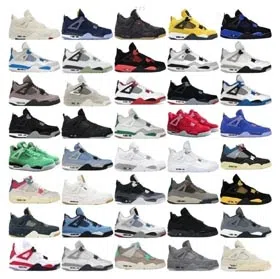
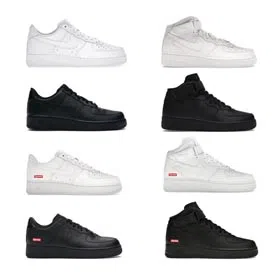


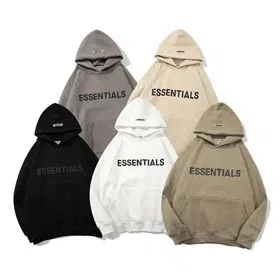
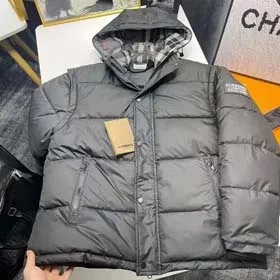
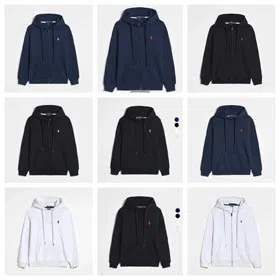
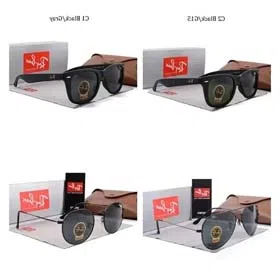


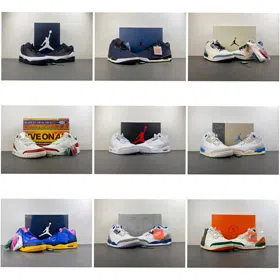
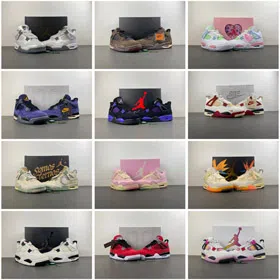
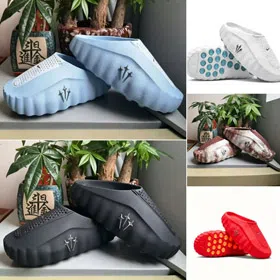

Cross‑border shoe purchasing via the Kakobuy purchasing‑agent platform brings access to countless sneaker, casual and dress‑shoe options. However, remote shopping creates well‑known risks: mismatched personal style, sub‑par material quality, misleading pricing, sizing errors, unexpected stock shortages, and unrealistic product descriptions. The community‑built Kakobuy Spreadsheet consolidates crowdsourced shoe‑related reference data, including style classifications, material specifications, price benchmarks, detailed sizing guidance, inventory status and real‑user feedback. By properly leveraging these datasets, shoppers can locate footwear matching their aesthetic preferences, filter for solid build quality, steer clear of common daigou traps, and achieve smoother cross‑border shoe‑buying outcomes. You can view trending shoe‑focused listings for additional market perspective at https://kakobuy.fun/hot.
Core Shoe‑Focused Reference Data Inside the Kakobuy Spreadsheet
Community contributors populate dedicated footwear sections with practical fields for overseas buyers who cannot try shoes on physically. Six major data categories support informed decision‑making:
Style classification tags: Organises shoes into distinct groups such as retro sneakers, street‑wear silhouettes, formal dress shoes, athletic performance footwear and casual slides. Entries note design features, colourways and intended usage scenarios.
Material‑specification records: Summarises upper‑material composition, sole construction, inner lining details and community observations regarding durability, breathability and wear‑resistance for individual batches.
Price‑reference datasets: Combines current listing prices with historical market ranges for each shoe model, helping users spot abnormally low or over‑inflated asking prices.
Granular sizing resources: Includes multi‑standard size conversion charts for US, UK and EU measurements, plus batch‑specific fit notes indicating whether particular silhouettes run large, small or true‑to‑size. Some rows also log insole‑length measurements for more precise fit judgement.
Real‑time inventory tracking: Marks in‑stock, low‑stock and out‑of‑stock status broken down for each separate size‑colour variant.
User‑submitted experience reviews: First‑hand feedback covering actual wearing comfort, long‑term durability, visual defects, glue overflow, stitching flaws and other real‑world batch‑level quality issues.
Important reminder: All spreadsheet entries are crowdsourced user‑generated references. They are not official brand or Kakobuy‑verified specifications. Manual community updates may lag behind real‑world seller stock, price and quality shifts.
Practical Strategies to Pick Great‑Fitting, Stylish Shoes and Evade Typical Pitfalls
Filter by style categories to match your personal aesthetic
Begin your selection process by applying spreadsheet style filters. Rather than aimlessly scrolling through hundreds of mixed listings, narrow results to categories aligned with your taste: whether you want everyday casual sneakers, high‑fashion street‑wear, performance‑focused athletic shoes or minimalist formal footwear.
Pay attention to colourway and design notes, and eliminate styles that conflict with your wardrobe or intended use case. Even if a shoe receives glowing community reviews, it is not a good pick if its look does not suit your personal preferences. Cross‑reference against trending shoe selections on https://kakobuy.fun/hot to compare popular silhouettes while staying focused on your own style goals.
Review material data to verify expected build quality
Product preview photos often hide material weaknesses. Study spreadsheet material notes closely before adding shoes to your wishlist. Community entries document real‑world performance: for example, certain canvas variants may be noted for thin fabric, while leather‑style options may warn about easy scuffing across specific batches.
If multiple users report consistent material‑related complaints for one batch, avoid that variant regardless of visual appeal. High‑quality shoes should match the material descriptions listed in spreadsheet records.
Analyse price benchmarks to avoid suspiciously low‑priced risky listings
One of the most frequent cross‑border shoe traps is chasing unrealistically cheap offers. Compare your target shoe’s asking price against the spreadsheet’s historical price interval. If a listing sits far below the established normal market range, treat it as a major red flag.
Abnormally low prices frequently correspond to downgraded materials, defective batches or misrepresented goods. Meanwhile, avoid overpaying for over‑hyped listings whose price is driven purely by community buzz. Always calculate full landed cost, since spreadsheet base item prices exclude agent handling fees and international shipping expenses.
Utilise sizing data to prevent painful fit‑related mistakes
Shoe‑sizing errors rank among the most frustrating cross‑border shopping disappointments. Do not simply rely on your habitual domestic shoe‑size number.
Read spreadsheet conversion tables and batch‑specific fit feedback carefully. Many popular sneaker silhouettes run half‑size small or large depending on their production batch. Where available, refer to documented insole‑length measurements for more reliable fit assessment. Never finalise your size choice without checking these fit‑related community notes.
Check inventory status to prevent post‑order stock‑out letdowns
Many shoppers find their ideal shoe only to discover their needed size‑colour combination is already sold‑out. The spreadsheet’s granular inventory columns display stock levels for each individual variant.
Pay special attention to entries labelled “low stock”, as these sizes sell out very quickly. Confirm your exact desired size and colour show valid in‑stock status before proceeding to place an order. Remember that inventory information is community‑updated and may not perfectly reflect live‑seller stock conditions.
Read user reviews to understand real‑world comfort and quality
Marketing images cannot replicate actual wearing experience. Spend time reviewing community‑submitted user feedback within the spreadsheet. Look for recurring themes: reports about foot comfort after long‑hour wear, sole durability, glue marks, uneven stitching and other practical defects.
Distinguish isolated one‑off complaints from widespread batch‑wide issues. If numerous buyers report identical quality problems for the same batch, remove that shoe variant from your candidate shortlist.
Step‑by‑Step Workflow for Reliable Cross‑Border Shoe Purchases
Open the Kakobuy Spreadsheet and filter shoe‑category entries by style tags matching your personal aesthetic.
Study material‑specification notes, filter out batches with repeated material‑quality complaints.
Compare listing price against historical spreadsheet price ranges, rule out suspiciously under‑priced high‑risk options.
Review sizing charts plus batch‑specific fit feedback, confirm your proper shoe size.
Verify inventory status for your exact size‑colour combination.
Read user‑submitted reviews to evaluate real‑world comfort and craftsmanship.
Cross‑check market context by browsing trending shoe‑related goods on https://kakobuy.fun/hot.
After placing your order, submit an official warehouse QC‑photo request. Inspect stitching, material condition and overall finish, and only approve shipment once you are satisfied with visual inspection results.
Common Pitfalls to Steer Clear Of
Judging quality only from product images: Online photos can be heavily edited; always rely on spreadsheet material notes and later QC photos.
Blindly sticking to your usual shoe size: Sizing behaviour varies widely across different shoe models and batches. Always check fit feedback.
Over‑trusting spreadsheet data alone: Crowdsourced records serve as pre‑purchase guidance, not absolute quality guarantees.
Skipping warehouse QC inspection: Positive community reviews reflect past‑order experiences. Official QC photos from the Kakobuy warehouse remain your final safety barrier.
Ignoring total landed‑cost calculation: Remember to add agent service fees and international shipping to your overall budget.
Final Thoughts
The Kakobuy Spreadsheet delivers multi‑faceted crowdsourced resources for cross‑border shoe shoppers on the Kakobuy platform. Style filters help you locate footwear aligned with your personal taste; material notes support quality evaluation; price‑range data helps you avoid too‑good‑to‑be‑true bargains; sizing guidance minimises fit mishaps; inventory checks prevent unexpected stock‑outs; and user reviews expose real‑world wearing performance.
Always treat spreadsheet content as reference‑only community‑sourced material. When shoppers combine spreadsheet‑driven pre‑purchase research, market insights from https://kakobuy.fun/hot, and mandatory official warehouse QC verification, they can significantly reduce risks and greatly improve their odds of receiving stylish, comfortable, high‑quality shoes for cross‑border daigou transactions.