Optimize Kakobuy Shipping: Cost & Timeliness Planning with Custom Spreadsheet




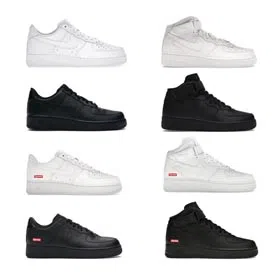















For cross-border daigou (代购) enthusiasts, Kakobuy’s shipping costs and delivery timelines are make-or-break factors in the purchasing journey—especially when sourcing trending items like the $34.25 Jordan 4 Retro-0001, $38.08 Prada Casual Sneakers-0015, or $54.66 LV bucket bag-0187 from https://kakobuy.fun/hot. International shipping fees vary drastically by destination, package weight, and logistics channel, while delivery times can fluctuate based on customs clearance, carrier capacity, and policy adjustments. The solution to this complexity lies in the Kakobuy Spreadsheet: a dynamic tool designed to centralize shipping data, track policy changes, and calculate the most cost-effective, time-efficient transport options for every 代购 order. By leveraging the spreadsheet to quantify regional and weight-based shipping costs, adapt to policy shifts, and compare logistics channels, daigou buyers can eliminate guesswork, reduce unnecessary expenses, and ensure timely delivery of their coveted Kakobuy products. This article breaks down how to build and use a Kakobuy Spreadsheet to master shipping optimization, turning logistical challenges into a strategic advantage.
Why Shipping Optimization Demands a Structured Spreadsheet Approach
Kakobuy’s shipping ecosystem is multifaceted, with three core variables that make casual planning ineffective:
Regional Cost Variability: Shipping fees to North America, Europe, Asia, and other regions differ significantly—even for the same package weight. A 1kg parcel to Germany may cost 30% more than the same parcel to Canada, and remote areas often incur additional "far-reach" surcharges.
Weight-Driven Pricing Complexity: International shipping uses two key weight metrics—actual weight (the physical weight of the package) and volumetric weight (calculated by dimensions for bulky, lightweight items like down jackets or fashion bags). Carriers charge based on the higher of the two, and failing to account for this can lead to unexpected fees. Additionally, most carriers use tiered pricing (first 0.5kg "first weight" + subsequent "additional weight" increments) that requires precise calculation.
Policy & Channel Volatility: Kakobuy regularly adjusts shipping partnerships, fee structures, and service levels—e.g., adding a new expedited channel to Europe, increasing rates for oversized packages, or waiving remote area fees during promotions. These changes can render outdated cost estimates obsolete and disrupt previously reliable timelines.
Without a centralized tool to track these variables, daigou buyers risk two costly outcomes: overpaying for shipping that’s faster than needed, or choosing a budget option that delays delivery for weeks. The Kakobuy Spreadsheet solves this by organizing data into actionable insights, ensuring every shipping decision balances cost and speed while adapting to policy shifts.
Building a Kakobuy Shipping Optimization Spreadsheet: Core Tabs & Features
A tailored Kakobuy Spreadsheet for shipping optimization focuses on three critical functions: data centralization, cost-time analysis, and policy adaptation. It features three core tabs, each designed to streamline a specific aspect of shipping planning—all aligned with the product weights and regional destinations most relevant to Kakobuy’s hot listings on https://kakobuy.fun/hot. The template uses simple formulas and conditional formatting to eliminate manual calculations, making it accessible to both novice and experienced spreadsheet users.
Tab 1: Regional & Weight-Based Shipping Cost Database
This tab serves as the foundation of your shipping planning, logging real-time Kakobuy shipping rates across destinations and weight tiers. It integrates both actual and volumetric weight calculations to avoid surprises, with columns tailored to Kakobuy’s most popular shipping channels (standard, expedited, consolidated). Key columns include:
Shipping Core Details: Destination region/country (e.g., USA, Germany, Japan), remote area indicator (Yes/No), and Kakobuy shipping channel (Standard, Expedited, Consolidated).
Weight Tier Breakdown:
First Weight (0.5kg/1kg): The base cost for the initial weight increment (e.g., $12 for 0.5kg to the USA via Standard).
Additional Weight (per 0.5kg/1kg): The cost for each subsequent weight increment (e.g., $4 per 0.5kg after the first 0.5kg to the USA).
Volumetric Weight Formula: A built-in calculator (
(Length × Width × Height)/6000) to convert package dimensions into volumetric weight, with a column flagging which weight metric (actual vs. volumetric) applies for pricing.Total Cost Calculation: Auto-calculated columns for total shipping cost based on package weight (e.g., 2kg package to Germany: First Weight $15 + 3×Additional Weight $5 = $30).
Surcharges & Discounts: Fields for remote area fees, bulky item surcharges, and Kakobuy-promoted discounts (e.g., 10% off consolidated shipping for orders over $100).
Data Timestamp: The date of the last rate update to ensure accuracy—critical as Kakobuy adjusts shipping fees.
Tab 2: Shipping Timeliness & Channel Comparison
This tab pairs cost data with delivery speed, letting you compare trade-offs between different shipping channels for each destination. It transforms abstract "standard vs. expedited" labels into concrete timeframes and cost-efficiency metrics. Core features include:
Destination & Channel Matching: Cross-references regions from Tab 1 with Kakobuy’s shipping channels, logging estimated delivery windows (e.g., Standard to Canada: 7–10 days; Expedited: 3–5 days).
Cost-Per-Day Efficiency: An auto-calculated column (
Total Shipping Cost ÷ Estimated Delivery Days) to quantify value—e.g., a $20 Standard shipment taking 8 days ($2.50/day) vs. a $35 Expedited shipment taking 4 days ($8.75/day).Reliability Metrics: 1–5 star ratings for on-time delivery rate and customs clearance efficiency (sourced from Kakobuy reviews and daigou community feedback)—e.g., "Expedited to Europe: 4.8/5 on-time rate; Standard to Asia: 4.2/5".
Product-Specific Recommendations: A column suggesting the best channel for common Kakobuy items (from https://kakobuy.fun/hot)—e.g., "LV bucket bag (bulky, 1.2kg): Consolidated shipping (balances cost/space); Dior Perfume (fragile, 0.5kg): Expedited (faster transit = lower damage risk)".
Tab 3: Kakobuy Shipping Policy Adjustment Tracker
Shipping optimization isn’t a one-time setup—Kakobuy’s policy changes (fee hikes, new channels, surcharge updates) require ongoing adaptation. This tab ensures you stay ahead of shifts that impact your shipping costs and timelines. Key columns include:
Policy Change Details: Type of adjustment (fee increase/decrease, new channel launch, surcharge addition/removal), effective date, and official Kakobuy announcement link.
Impact Analysis: Notes on how the change affects your shipping plans (e.g., "Remote area fee added to Australia: +$8 for shipments to Perth; New Expedited channel to UK: 3–5 days for $30, undercutting previous $35 option").
Action Items: Clear steps to update your spreadsheet (e.g., "Update Tab 1: Add $8 surcharge for Australian remote areas; Update Tab 2: Add new UK Expedited channel with timelines").
Historical Log: A record of past policy changes to identify trends (e.g., "Kakobuy increases Standard rates by 5% annually in March; New consolidated channels launch quarterly").
Step-by-Step: Use the Spreadsheet to Plan Optimal Shipping
The Kakobuy Spreadsheet turns data into decisions with a straightforward workflow, guiding you from product selection on https://kakobuy.fun/hot to final shipping choice. This process ensures every order uses the most economic, time-appropriate shipping method while accounting for policy changes:
Step 1: Curate Kakobuy Products & Calculate Package Details
First, select your target items from https://kakobuy.fun/hot and gather key package information:
Actual Weight: Sum the product weights (e.g., Jordan 4 Retro-0001: 1.2kg + AirPods 3-0102: 0.2kg = 1.4kg total).
Dimensions: Estimate package size (Kakobuy provides typical dimensions for products, or use average values: e.g., sneakers = 30×20×15cm, small bags = 25×15×10cm).
Destination: Note the exact country/region and whether it’s a remote area (check Kakobuy’s shipping policy page for details).
Input this data into Tab 1, and the spreadsheet will auto-calculate volumetric weight and flag the relevant pricing metric (actual vs. volumetric).
Step 2: Compare Shipping Channels & Cost-Time Efficiency
In Tab 2, filter by your destination and package weight to view available Kakobuy shipping channels. Use the cost-per-day efficiency column to balance budget and speed:
Budget Priority: Choose the channel with the lowest total cost (e.g., Standard shipping for a $19.18 dunk low-0003 to Canada: $18 for 8 days).
Speed Priority: Opt for the fastest channel (e.g., Expedited shipping for a $52.05 Rolex watch-0396 to Germany: $32 for 4 days to minimize theft risk).
Balanced Approach: Select the channel with the lowest cost-per-day (e.g., Consolidated shipping for a $54.66 LV bucket bag-0187 to Japan: $22 for 6 days = $3.67/day).
Use the product-specific recommendations to validate your choice—e.g., avoiding Standard shipping for fragile items like Dior Perfume-0302, even if it’s cheaper.
Step 3: Account for Policy Adjustments & Surcharges
Before finalizing, cross-reference Tab 3 to ensure your chosen channel isn’t impacted by recent policy changes. For example:
If Kakobuy recently waived remote area fees for Europe, update Tab 1 to remove the surcharge for your German destination, reducing total cost.
If a new Expedited channel to the UK was launched at a lower rate, add it to Tab 2 and compare it to existing options.
Adjust your shipping choice to reflect policy updates—this step ensures you’re not overpaying or missing out on improved services.
Step 4: Finalize Shipping Plan & Log Details
Once you’ve selected the optimal channel, log the final shipping cost, estimated delivery window, and tracking link (after booking) in the spreadsheet. This creates a historical record of your shipping decisions, which you can use to refine future plans—e.g., noting that Consolidated shipping to France consistently arrives 1–2 days early, or that Standard shipping to Brazil has frequent delays.
Step 5: Update the Spreadsheet Regularly
Set a reminder to refresh your spreadsheet every 2–4 weeks:
Update Tab 1 with new shipping rates from Kakobuy.
Add recent policy changes to Tab 3.
Adjust reliability metrics in Tab 2 based on your own delivery experiences and community feedback.
Regular updates ensure your shipping optimization remains accurate and adaptive to Kakobuy’s evolving logistics ecosystem.
Pro Tips for Maximizing Kakobuy Shipping Optimization
To elevate your spreadsheet’s effectiveness and unlock additional savings, leverage these expert tips—tailored to Kakobuy’s reverse 海淘 (reverse cross-border) model and the unique needs of daigou shoppers:
Leverage Consolidated Shipping for Multiple Items: If purchasing multiple products (e.g., a sneaker + a T-shirt + a belt), use the spreadsheet to calculate combined weight and compare consolidated shipping costs vs. individual shipments. Kakobuy’s consolidated service often offers 15–25% savings for bulk orders, and the spreadsheet’s weight tier columns let you quantify these savings easily.
Calculate Volumetric Weight for Bulky Items: For lightweight but bulky products like Balenciaga Triples-0515 (82.19) or The North Face down jackets, always use the spreadsheet’s volumetric weight formula. These items often trigger volumetric pricing, and failing to account for this can lead to 20–30% higher fees than expected.
Set Conditional Formatting for Cost Alerts: Use Excel/Google Sheets conditional formatting to highlight shipping costs that exceed a threshold (e.g., red for costs over 15% of the product value). This helps you avoid overpaying for shipping—e.g., a $10 shipping fee for a $13.56 Trapstar T-Shirt-1049 (74% of product value) would be flagged, prompting you to wait and consolidate with other items.
Track Customs Clearance Times by Region: Add a column to Tab 2 for average customs clearance days (e.g., USA: 1–2 days, EU: 2–3 days, Brazil: 5–7 days). This refines your delivery window estimates and helps you set realistic expectations for buyers (if you’re a professional daigou).
Sync with Kakobuy’s Promotional Calendar: Add a "Promotion Tracking" column to Tab 3, noting upcoming Kakobuy shipping discounts (e.g., "Black Friday: 20% off all Expedited shipping"). The spreadsheet can remind you to delay non-urgent orders until promotions launch, maximizing savings.
Use Pivot Tables for Trend Analysis: For frequent daigou shoppers, use the spreadsheet’s pivot table function to analyze shipping costs by region, weight, and channel over time. This reveals patterns—e.g., shipping to Asia is cheapest in Q1, or Expedited rates to North America drop during holiday seasons—letting you plan purchases around cost lows.
Conclusion
Kakobuy’s shipping costs and timelines don’t have to be a source of stress—with a customized Kakobuy Spreadsheet, you can turn logistical complexity into data-driven clarity. By centralizing regional and weight-based shipping data, comparing cost-time efficiency across channels, and adapting to policy changes, the spreadsheet empowers you to plan the most economic, reliable shipping for every 代购 order. Whether you’re sourcing affordable T-shirts, luxury bags, or fragile electronics from https://kakobuy.fun/hot, this tool ensures you never overpay for shipping, never wait longer than necessary, and always stay ahead of Kakobuy’s evolving logistics policies.
For daigou enthusiasts, shipping optimization is more than just saving money—it’s about building trust with buyers (if you’re a professional daigou) and enjoying a seamless cross-border shopping experience. The Kakobuy Spreadsheet turns this goal into a reality, making shipping a strategic asset rather than a logistical headache. With this tool in hand, you can focus on what matters most—sourcing coveted products on Kakobuy—while knowing your shipping plans are optimized for cost, speed, and reliability.