Judging Authenticity and Market Value of Gucci Merchandise for Cross‑Border Purchases on Kakobuy Using the Kakobuy Spreadsheet
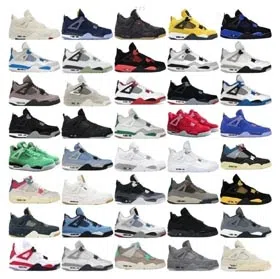
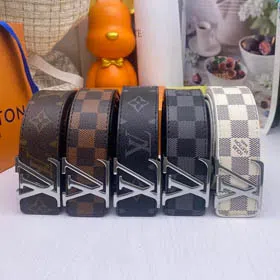
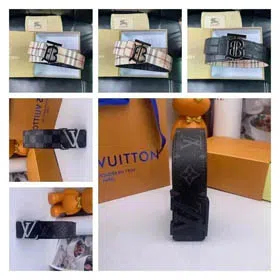
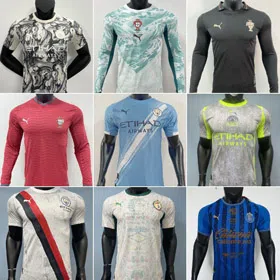

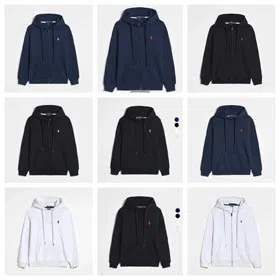
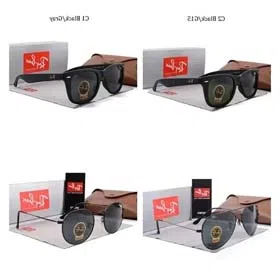
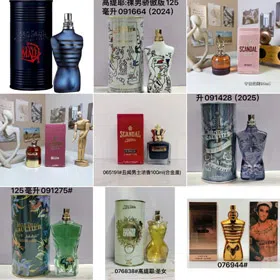
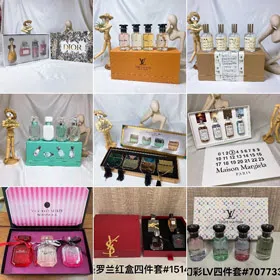
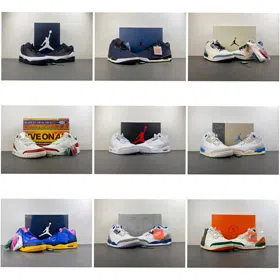
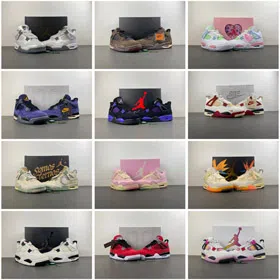
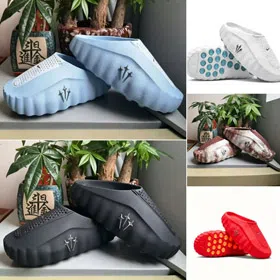
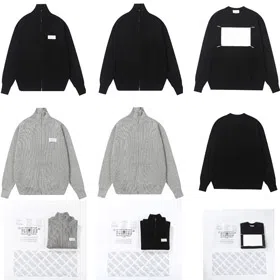
Buying Gucci‑branded items through the Kakobuy cross‑border purchasing‑agent platform brings access to diverse fashion goods, yet remote shopping creates two major challenges: separating trustworthy items from defective imitations and evaluating whether listed pricing reflects fair market worth. The community‑crowdsourced Kakobuy Spreadsheet collects practical reference resources for Gucci products, covering observable authentication markers such as packaging specifications, anti‑counterfeit identifier features, and fine‑workmanship benchmarks. In addition, it stores historical price records, market‑supply‑demand observations and trend‑related feedback. Shoppers can compare prospective goods against these documented authentication clues to spot red flags, while combining price benchmarks, supply‑demand signals and prevailing fashion trends to assess real‑world market value. This process helps cross‑border buyers make better‑informed decisions and obtain worthwhile Gucci merchandise. You may view trending marketplace listings for supplementary market insight at https://kakobuy.fun/hot.
Gucci‑Focused Reference Information Available Within the Kakobuy Spreadsheet
Community fashion contributors build comprehensive Gucci‑related entries for handbags, accessories, footwear and apparel. Two core categories of data support authenticity screening and market‑value evaluation:
Authentication‑oriented reference records
Packaging‑detail notes: Crowdsourced descriptions of dust‑bag texture, box printing quality, Controllato card font characteristics and accessory matching standards for different Gucci lines.
Anti‑counterfeit identifier documentation: Observations on interior serial‑tag formatting, interlocking‑GG canvas alignment rules, label font specifications and NFC‑tag related hints collected from past buyer experiences.
Craftsmanship‑feature summaries: User‑submitted notes about metal‑hardware engraving quality, stitching density, leather texture and monogram‑print consistency, highlighting typical flaws seen in inferior‑quality batches.
Market‑value evaluation datasets
Historical price‑range logs: Current listing prices paired with multi‑period market benchmarks for individual Gucci silhouettes, separating classic permanent‑collection pieces from short‑run seasonal releases.
Supply‑and‑demand indicators: Community‑compiled signals reflecting restock frequency, wish‑list popularity and competition intensity for specific styles.
Fashion‑trend feedback: Aggregated user notes showing which Gucci designs stay enduringly popular versus those driven only by temporary social‑media hype.
Important disclaimer: All spreadsheet content originates from community‑user submissions. These are pre‑purchase reference observations, not official brand‑issued authentication or pricing reports. Manual community updates may lag behind real‑world seller inventory, price adjustments and batch‑quality shifts. Spreadsheet clues cannot replace professional third‑party authentication services.
How to Leverage Spreadsheet Data to Evaluate Authentic‑Related Clues
Compare physical‑item details against spreadsheet authentication markers
Before finalising your purchase plan, review the spreadsheet’s documented Gucci‑specific reference points. When you later receive warehouse QC photos, cross‑examine visual evidence against these community‑compiled benchmarks.
Check packaging‑related details: dust‑bag colour, box‑logo printing and accompanying card quality. Inspect hardware for crisp engraving, consistent metal finishing and smooth‑operating zippers. Pay close attention to monogram canvas alignment, interior label font style and serial‑number formatting as noted in spreadsheet records. If QC photos repeatedly show mismatched features that conflict with well‑documented reference details, treat the variant with heightened caution.
It is worth emphasising that no single feature serves as absolute proof. Evaluate packaging, hardware, print and stitching comprehensively, rather than drawing conclusions based on one isolated detail.
Assess Market Value Combining Price Benchmarks, Supply‑Demand and Fashion Trends
Judge price rationality against historical spreadsheet price ranges
Never evaluate value solely according to the headline listing price. Look up corresponding historical market‑price intervals in the spreadsheet. Calculate total landed costs by adding agent‑handling fees and international‑shipping expenses to the base‑item price.
Avoid both suspiciously ultra‑low‑priced listings which frequently correspond to downgraded batches, and excessively inflated offers pushed purely by short‑term community hype. Compare your target Gucci model against comparable‑style entries to get a sense of normal market positioning.
Interpret supply‑demand metrics to understand scarcity‑driven premiums
Study spreadsheet supply‑and‑demand tags. Classic Gucci silhouettes with steady restock cycles usually carry stable market value. Limited‑edition or collaborative releases marked with low‑supply indicators often command temporary market premiums.
Ask yourself whether the price premium is justified by actual scarcity or simply viral buzz. If an item’s high price comes only from short‑lived social‑media popularity, you may consider delaying your purchase until market heat cools down.
Factor in prevailing fashion‑trend notes
Some Gucci styles gain explosive short‑term attention but quickly fade out of fashion circulation. The spreadsheet aggregates community trend feedback to distinguish timeless staple designs from fleeting viral seasonal pieces. Classic permanent‑collection items normally maintain more stable long‑term market value compared to trend‑chasing limited seasonal styles. Cross‑reference candidate selections against trending goods on https://kakobuy.fun/hot to gauge current community‑wide popularity.
Practical Step‑by‑Step Workflow for Gucci Cross‑Border Buying
Open the Kakobuy Spreadsheet and filter for all Gucci‑branded entries.
Read authentication‑related community notes covering packaging, identifiers and craftsmanship features, and note down key check‑points for your target product.
Review historical price logs, supply‑demand markers and fashion‑trend feedback to form your baseline expectation of reasonable market value.
Eliminate listings sitting far outside normal price‑range benchmarks or linked to batches with consistent negative craftsmanship feedback.
Cross‑check current market‑trend context by browsing trending‑item listings on https://kakobuy.fun/hot.
Submit your order on Kakobuy and request comprehensive official warehouse QC photos.
Carefully compare QC visual evidence against spreadsheet authentication reference points. Only approve shipment when packaging, hardware, print and craftsmanship details align with community‑documented expectations.
Common Pitfalls to Avoid
Treat spreadsheet clues as definitive authentication certification: Crowdsourced notes offer preliminary screening only. They cannot equal official brand or professional‑third‑party authentication results.
Confuse high market‑trend popularity with lasting value: Viral‑trend status does not guarantee stable long‑term market‑worth.
Ignore total landed‑cost calculation: Base‑item prices in the spreadsheet exclude agent service fees and international‑shipping charges.
Draw conclusions from one single detail: Authenticity assessment requires comprehensive multi‑feature comparison; never judge quality based merely on one observed feature.
Skip official warehouse QC inspection: Positive spreadsheet community feedback reflects past‑order experiences. QC photos from the Kakobuy warehouse remain your most critical visual‑verification step.
Final Thoughts
The Kakobuy Spreadsheet delivers rich crowdsourced reference materials for cross‑border Gucci shoppers. Authentication‑related notes about packaging, anti‑counterfeit identifiers and workmanship allow buyers to perform preliminary risk screening. Meanwhile, historical‑price logs, supply‑demand indicators and fashion‑trend feedback support objective market‑value evaluation, helping shoppers avoid overpaying for hyped‑up items.
Always remember that spreadsheet entries are community‑generated reference information, rather than absolute authoritative certification. When shoppers combine spreadsheet‑supported pre‑purchase research, market insights from https://kakobuy.fun/hot, plus careful official warehouse QC review, they can substantially reduce risks and improve their odds of obtaining satisfying, fairly‑priced Gucci‑branded goods in cross‑border transactions.