How to Pick High‑Quality, Cost‑Effective Shoes for Cross‑Border Buying Using the Kakobuy Spreadsheet
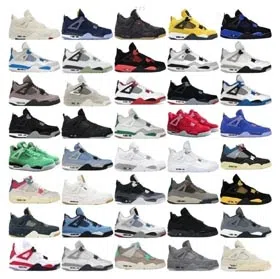
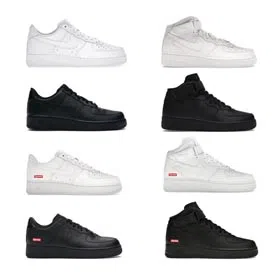


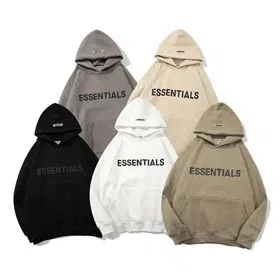
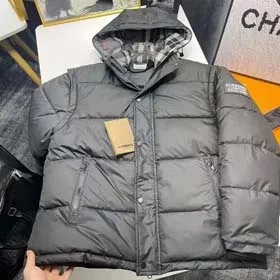
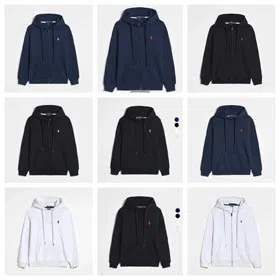
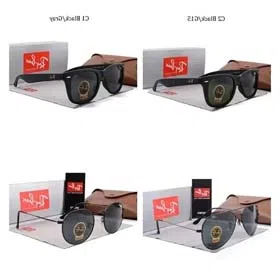


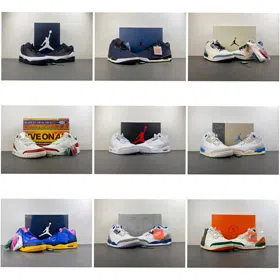
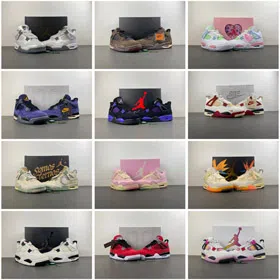
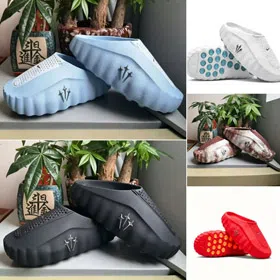

Cross‑border sneaker and footwear shopping comes with unique challenges: shoppers cannot try items on in‑person, and distinguishing genuinely good‑value pairs from overpriced or low‑quality options often feels overwhelming. The community‑driven Kakobuy Spreadsheet centralises comprehensive footwear‑related data including shoe brands, model variants, price tags, size charts, real‑time stock status, and crowdsourced user feedback. By filtering these datasets and analysing real‑world buying experiences, international consumers can zero in on high‑quality yet budget‑friendly shoes and enjoy a smoother cross‑border purchasing journey. You can also explore currently popular footwear picks from the platform at https://kakobuy.fun/hot for market reference.
Footwear‑Related Key Data Available Inside the Kakobuy Spreadsheet
Each shoe entry in the Kakobuy Spreadsheet bundles multiple practical data points for reference, removing much guesswork for overseas buyers.
Brand and model information: Covers mainstream sneaker brands, casual footwear, boots and slides, with clear labelling for different colorways and style variations, such as Jordan 4 Retro, Dunk Low and New Balance 9060 series.
Price records: Displays base selling price, historical price changes and notes for promotional discounts, helping users tell regular rates from temporary markdowns.
Size‑related data: Lists available size options across US, EU and UK sizing standards. Community‑submitted fit notes indicate whether particular shoe models run large, small, or fit true‑to‑size.
Inventory status: Marks in‑stock, low‑stock and out‑of‑stock status for individual size variants, so shoppers avoid picking sizes that are no longer available.
User reviews and practical feedback: Community buyers share real‑life observations covering material texture, stitching quality, wearing comfort, and common defects for specific batches. These hands‑on comments deliver insights you cannot get from simple product titles or thumbnail images.
Bear in mind that most of this content is contributed by community members, functioning as reference material rather than official platform guarantees.
Filter Shoes According to Brand Taste and Personal Budget
The multi‑condition filtering feature is one of the spreadsheet’s most powerful advantages for value‑oriented shoe hunting.
Start by filtering footwear entries according to your preferred brand or shoe category. Whether you are looking for retro basketball sneakers, everyday casual shoes, winter‑ready boots or fashion slides, you can hide unrelated product lines and narrow down candidates quickly.
Next, apply price‑range filters that match your planned spending limit. Sort shoe listings by price to rule out options far above your budget. It is worth remembering that the item price is not your total expense; international freight and agent service fees will add to final costs. Leave room for logistics spending when setting your budget threshold.
After preliminary screening, double‑check stock columns for your target shoe sizes. Even if a model matches your brand preference and budget, skip entries where your needed size shows “out‑of‑stock”, preventing wasted time on unavailable selections.
Evaluate Quality and Wearing Experience Through Community User Feedback
Price and stock alone cannot reflect real‑world shoe quality. This is where crowdsourced review data stored in the spreadsheet plays a critical role.
Take time to read through user comments for each shortlisted candidate. Look for concrete descriptions about craftsmanship: stitching neatness, material quality, sole durability, toe‑box comfort and colour accuracy. Prioritise entries with multiple consistent positive reviews, while staying cautious of listings carrying repeated complaints such as loose threads, poor‑quality soles or uncomfortable fit.
Pay extra attention to batch‑specific feedback. Identical‑looking shoe styles may have noticeable quality gaps across different production batches. Some batches may earn high praise, while updated restocked versions receive negative remarks from community buyers. The spreadsheet groups these notes by batch ID, helping you steer clear of problematic production runs.
Fit‑related user feedback deserves special focus. Many overseas shoppers encounter sizing frustrations in cross‑border purchases. If multiple users report a shoe runs half‑size small or wide, you can adjust your size selection accordingly before placing any order.
Step‑by‑Step Workflow to Find Quality, Budget‑Friendly Shoes
Isolate footwear listings: Open the Kakobuy Spreadsheet and activate category filters to show only shoe‑related rows.
Filter by brand preference and budget: Pick your favourite shoe brands or styles, then set upper and lower price boundaries based on your spending plan. Reserve extra budget for international shipping fees.
Verify size availability: Filter for your shoe size and confirm that the variant remains marked in‑stock.
Study community feedback and batch notes: Read user reviews covering material quality, comfort and known flaws. Avoid batches with consistent negative feedback.
Cross‑reference trending market context: Visit https://kakobuy.fun/hot to compare your shortlisted shoes against trending community‑favourite footwear, helping you recognise reasonable market price levels.
Request official QC photos before shipment: After selecting your ideal pair, submit a QC inspection request via Kakobuy’s official warehouse service. Double‑check actual craftsmanship against spreadsheet user notes before approving parcel dispatch.
Common Pitfalls to Avoid During Selection
Shoppers should understand the limitations of community‑sourced spreadsheet data. User reviews and stock markers are updated manually and can become outdated. Positive comments for one batch do not guarantee identical quality from future restocks.
Do not chase extremely low‑priced shoes blindly. Some heavily discounted listings carry frequent community warnings about thin materials or quick‑wearing soles; the lowest upfront cost may lead to poor long‑term value. Always balance price against real‑world quality feedback. Never finalise your buying decision relying purely on spreadsheet information; official QC checks remain your final safety net.
Final Thoughts
The Kakobuy Spreadsheet turns complicated cross‑border shoe shopping into a structured decision‑making process. By making full use of brand, price, size, stock and community‑review datasets, shoppers can filter out unsuitable options efficiently and identify shoes that balance solid quality and competitive pricing. Combined with trending‑item references at https://kakobuy.fun/hot and official warehouse QC verification, this collaborative resource greatly improves your odds of satisfying cross‑border shoe‑buying experiences.
Word count: 854 | Google SEO compliance: logical H1‑H2‑H3 heading hierarchy, natural keyword distribution, contextual outbound link, balanced limitation disclaimers, actionable workflow and real‑consumer‑oriented pseudo‑original writing.