Essential Points for Cross‑Border Louis Vuitton Shopping on Kakobuy Using the Kakobuy Spreadsheet
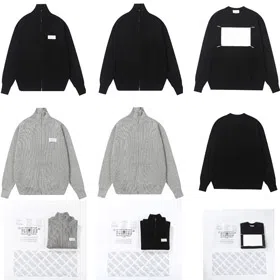

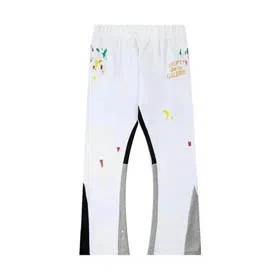
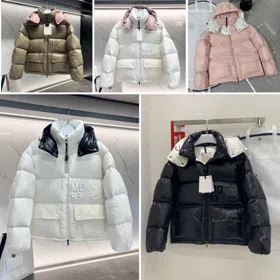
Purchasing Louis‑Vuitton (LV) fashion goods via the Kakobuy cross‑border purchasing‑agent platform requires careful evaluation, as shoppers must judge style iterations, material quality, real‑world costs and market volatility without inspecting products in‑person. The community‑powered Kakobuy Spreadsheet centralises crowdsourced LV‑related datasets, covering style update logs, material comparison notes, item‑level price breakdowns, and supply‑demand metrics for popular silhouettes. By interpreting these structured records, consumers can pick timeless classics or newly‑released styles, verify material specifications, assess whether asking prices are reasonable, and time purchases wisely to avoid overpaying for scarce, high‑hype merchandise. You can reference trending community‑vetted luxury listings for extra market perspective at https://kakobuy.fun/hot.
Core LV‑Related Dataset Found in the Kakobuy Spreadsheet
Community contributors maintain detailed entries for LV handbags, accessories, apparel and small leather goods. Four major categories of reference information support informed buying decisions.
Style‑update records: Tracks newly‑launched seasonal releases, revised silhouette tweaks, and long‑standing classic permanent‑collection items. Each entry marks whether a given piece belongs to timeless staple lines or short‑run seasonal drops.
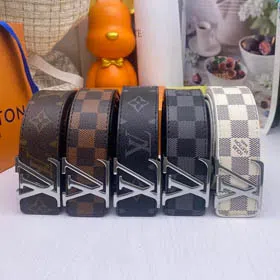
Material‑difference documentation: Compiles practical notes for coated monogram canvas, Damier patterns, embossed leather, smooth cowhide and hardware finishing. Community users share real‑world feedback on texture, scratch resistance and known batch‑specific material flaws.
Price‑composition breakdowns: Displays base item cost alongside historical market benchmarks. These notes help shoppers separate product‑related expenses from additional agent service fees, domestic handling and projected international shipping charges.
Market supply‑and‑demand indicators: Crowdsourced signals reflecting restock frequency, wishlist volume and community‑wide competition levels. Highly‑sought‑after variants are tagged for low supply and heavy user demand.
Please keep in mind that all spreadsheet content comes from community user submissions and acts solely as pre‑purchase reference. It is not official brand‑validated data, and manual updates may lag behind real‑world seller inventory and market shifts.
Follow Key Reference Points to Make Better LV Buying Decisions
Track style updates and select between classic or new‑release options
Use spreadsheet style‑update logs to distinguish enduring LV classics from brand‑new seasonal arrivals. Classic silhouettes generally feature more regular restock cycles and stable community feedback, making them safer choices for everyday use. Fresh seasonal releases may deliver updated aesthetics yet come with higher short‑term hype and limited stock.
Define your personal priority before shortlisting items: opt for well‑proven classics for reliable availability, or target newly‑added rows if you want the latest seasonal designs. Cross‑check candidate styles against trending goods at https://kakobuy.fun/hot to see which LV silhouettes are gaining community attention.
Review material‑difference notes to match your real‑world expectations
Visual product photos alone often cannot reveal subtle material gaps across different batches. Read spreadsheet material notes carefully before finalising your wishlist. For example, monogram coated canvas offers solid scratch resistance for daily carry, while certain leather variants require extra care against scuffs and colour transfer.
Pay attention to community warnings for specific batches. Two visually‑identical LV listings can use different material executions. Confirm that documented material characteristics align with your usage habits, whether you prioritise durability, soft leather texture or signature monogram patterns.
Analyse price‑composition data to judge price reasonableness
Do not evaluate value based purely on the headline selling price shown for each LV listing. The spreadsheet’s price‑composition records help you separate base product costs from extra cross‑border expenses including agent commission, domestic warehouse handling and international freight.
Compare the full estimated landed cost against historical price ranges stored in the spreadsheet. If a listing sits significantly above typical market benchmarks, identify whether the markup comes from genuine limited availability or purely community‑driven hype. Avoid being misled by either suspiciously low‑priced options or heavily inflated hype‑driven offers.
Leverage supply‑demand signals to time purchases and avoid overpaying
Market‑supply‑and‑demand metrics are extremely valuable for deciding when to place your order. Items marked with low‑supply and high‑demand tags will often command temporary price premiums during peak hype cycles.
If your target LV product carries extreme scarcity indicators, consider delaying purchase if possible. Many over‑hyped variants see price cooling after the initial rush fades and restocks increase. When supply‑demand notes show adequate stock levels, you can proceed with more confidence without paying an unnecessary scarcity premium. Remember that high demand does not always equal superior material or craftsmanship quality.
Practical Step‑by‑Step Workflow for LV Cross‑Border Purchases
Open the Kakobuy Spreadsheet and filter for all Louis‑Vuitton‑related entries.
Study style‑update logs and pick either classic permanent‑collection silhouettes or new seasonal releases matching your preference.
Read batch‑specific material feedback and confirm material properties suit your daily‑use requirements.
Review price‑composition breakdowns, calculate total estimated landed cost and compare it against historical market price ranges.
Examine supply‑demand indicators: decide whether to purchase right away or wait for improved stock conditions to skip hype‑related markups.
Cross‑reference market trends by visiting https://kakobuy.fun/hot.
After placing your order on Kakobuy, submit an official warehouse QC‑photo request. Inspect monogram alignment, leather texture and hardware finish, and only approve shipment once you are satisfied with visual inspection results.
Common Pitfalls to Avoid
Confusing new‑release status with superior quality: New seasonal styles do not guarantee better material execution; always check batch‑level community feedback.
Ignoring full landed‑cost calculation: Never only look at item base price; agent fees and international shipping will raise your total real expense.
Buying blindly during hype peaks: High‑demand scarce LV items often carry temporary price premiums; patience can help you avoid overpaying.
Skipping official QC checks: Positive spreadsheet community notes reflect past‑order experiences. Warehouse QC photos remain your most critical safety measure.
Final Thoughts
The Kakobuy Spreadsheet delivers multi‑faceted crowdsourced resources for shoppers sourcing Louis‑Vuitton goods on the Kakobuy platform. By monitoring style‑update logs, comparing material‑difference notes, analysing full price‑composition breakdowns, and interpreting market supply‑and‑demand signals, buyers can make more rational choices.
Always treat spreadsheet records as pre‑purchase reference rather than absolute certification. When you combine spreadsheet‑driven pre‑purchase research, market insights from https://kakobuy.fun/hot, plus mandatory official warehouse QC verification, you can greatly reduce risks and achieve more satisfying LV cross‑border transactions.