Ensuring Quality & Safety for Cross‑Border Beauty Purchases: Combining Kakobuy QC Workflow With Kakobuy Spreadsheet Data





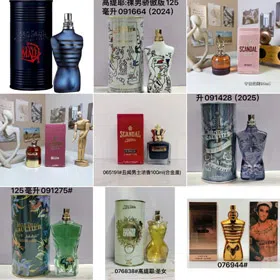
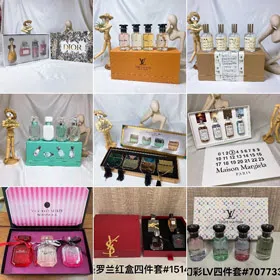



Buying cosmetics and skincare products through the Kakobuy cross‑border purchasing‑agent platform carries unique safety concerns. Without physical access to goods, shoppers cannot directly verify ingredient suitability, production dates, packaging integrity or potential contamination risks. The community‑maintained Kakobuy Spreadsheet stores crowdsourced beauty‑product records including ingredient breakdowns, manufacture and expiry timelines, and brand‑related quality‑certification notes. When paired with Kakobuy’s official QC inspection workflow, these spreadsheet datasets help consumers make well‑informed decisions about skin compatibility and overall product safety. For additional market reference of popular beauty selections, you can visit https://kakobuy.fun/hot.
Beauty‑Focused Reference Data Contained in the Kakobuy Spreadsheet
Community beauty contributors build detailed entries for makeup, skincare, perfume and body‑care items. Four core categories of information support safer pre‑purchase evaluation:
Ingredient‑list summaries: Crowdsourced ingredient profiles, highlighting key actives, potential irritants, fragrance components and common allergens. These notes help users screen formulas for dry, oily or sensitive skin types.
Production‑date and shelf‑life records: Batch‑linked observations including approximate manufacturing timestamps, unopened shelf life and period‑after‑opening guidance. This helps shoppers avoid aged or expired cosmetic stock.
Brand quality‑certification references: Community‑collected notes regarding reported compliance marks, safety‑test hints and known red flags for problematic batches with consistent user complaints.
Historical user experience feedback: Real‑world reports covering skin irritation, product separation, leakage risks and packaging damage observed in prior orders.
It is important to emphasise that all spreadsheet beauty data comes from user‑submitted community input. These are reference observations rather than official laboratory test reports or brand documentation. Manual updates may lag behind real‑world batch changes.
Understand Kakobuy Official QC Workflow for Cosmetic Safety Checks
Kakobuy’s warehouse QC process serves as your physical verification layer for beauty merchandise, complementing spreadsheet pre‑purchase research. When cosmetic items arrive at the agent warehouse, inspectors complete visual and documentary checks before shipment:
Outer and inner packaging inspection: Detect broken seals, dented containers, leakage, mold, stains or tampered packaging.
Batch‑code, manufacture‑date and expiry‑date verification: Capture photos of printed batch markings for buyer review.
Visual product condition assessment: Check for formula separation, discoloration, abnormal texture or foreign particles inside cream and liquid goods.
High‑risk hazard screening notes: Flag obvious warning signs that may indicate quality‑compromised units, such as strange chemical odours or damaged seals.
Please note that Kakobuy warehouse QC focuses on visual and packaging inspection. It does not perform independent laboratory‑based hazardous‑substance chemical analysis. QC photo results are shared with buyers so customers can review evidence before approving parcel dispatch.
How to Combine Spreadsheet Data and QC Results to Guarantee Beauty‑Product Safety
Evaluate ingredient information to match your unique skin needs
Start your safety assessment in the spreadsheet before placing any order. Review ingredient‑list summaries for your target cosmetic item. If you have sensitive skin or known allergies, filter out entries marked with harsh preservatives, heavy fragrances or other trigger components.
Never rely only on marketing descriptions. Cross‑reference community ingredient notes against your personal skin history. Even highly‑popular beauty formulas can trigger adverse reactions for certain skin types. Save promising candidates to your personal watchlist and note down key allergens you want to spot during later QC photo review.
Cross‑check production date and shelf‑life information
Expired or near‑expiry cosmetics raise significant safety risks, including reduced preservative performance, texture degradation and potential skin irritation. Compare spreadsheet‑documented typical shelf‑life ranges against batch‑date photos returned from Kakobuy QC inspection.
If QC photos show manufacture or expiry dates that conflict with spreadsheet expectations, treat this as a warning signal. Avoid confirming shipment for units that are close to or past their usable shelf‑life window.
Review quality‑certification hints and batch‑level community feedback
Read spreadsheet notes about quality certification and known problematic batches. If multiple users report skin irritation, leaking containers or degraded formula for a specific batch, avoid ordering that variant even if the listed price looks attractive.
Keep realistic expectations: community‑mentioned certification markers are user observations. They cannot replace official lab safety reports. Use these records only to eliminate high‑risk batches during your pre‑selection phase.
Compare spreadsheet expectations against real QC inspection output
This is the most critical combined‑evaluation step. After you receive QC photos from the Kakobuy warehouse, cross‑validate every key detail against your spreadsheet reference:
Confirm batch codes match the documented batch group you reviewed in the spreadsheet.
Inspect packaging seals, container integrity and check for leakage or abnormal product appearance.
Double‑check printed expiry and manufacture dates visible on QC images.
Watch for red‑flag conditions the spreadsheet warned about for that specific batch, such as frequent leaking or discoloration.
Only approve shipment when QC results align with spreadsheet‑based safety expectations. If inconsistencies appear, you can decline the item instead of receiving potentially unsafe cosmetics.
Practical Step‑by‑Step Workflow for Safe Cross‑Border Beauty Buying
Open the Kakobuy Spreadsheet and filter for cosmetic and skincare‑related entries.
Review ingredient summaries, shelf‑life notes and batch‑level community feedback; filter out items unsuitable for your skin type or high‑risk batches.
Cross‑reference market trends for target beauty goods at https://kakobuy.fun/hot.
Confirm inventory status for your selected variant and submit your order through Kakobuy.
Request official warehouse QC photos for the cosmetic product.
Compare QC‑photo evidence against spreadsheet ingredient, batch‑date and quality warning notes.
Approve parcel shipment only if packaging, dates and product visual condition meet safety expectations. If risks are spotted, reject the unit.
Common Pitfalls for Cross‑Border Beauty Shoppers
Treat spreadsheet ingredient and certification notes as official lab results: Community‑crowdsourced data offers preliminary screening only; it cannot substitute professional dermatological advice or laboratory safety testing.
Assume QC covers full chemical hazard testing: Kakobuy QC performs visual‑packaging checks, it does not run independent hazardous‑substance lab analysis.
Ignore batch differences: Positive feedback for one production batch does not guarantee identical safety for newly‑restocked cosmetic batches.
Skip QC photo review because of good spreadsheet ratings: Always inspect real QC images for your exact individual unit.
Final Thoughts
The Kakobuy Spreadsheet delivers valuable crowdsourced pre‑purchase resources for cross‑border beauty shoppers, including ingredient summaries, shelf‑life records and batch‑specific quality feedback. When shoppers combine this spreadsheet‑based preliminary screening with Kakobuy’s official warehouse QC inspection workflow, they can substantially lower risks related to skin incompatibility, expired stock and defective cosmetic units.
Always remember that spreadsheet content is user‑generated reference material. By merging spreadsheet research, market insights from https://kakobuy.fun/hot, and careful evaluation of official QC output, consumers can build a robust safety routine when purchasing makeup and skincare items on the Kakobuy platform.