Decoding Kakobuy QC: How to Use Spreadsheets to Track Quality & Optimize Daigou Choices
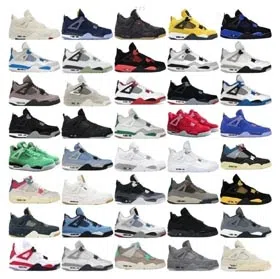
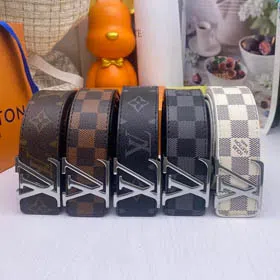
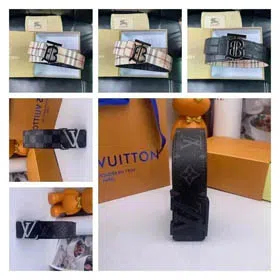
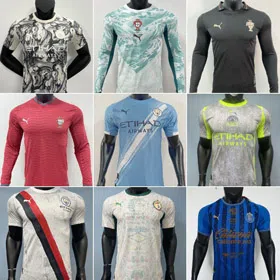
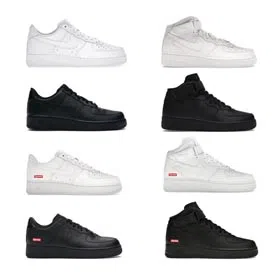
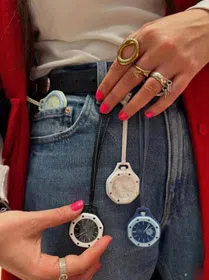
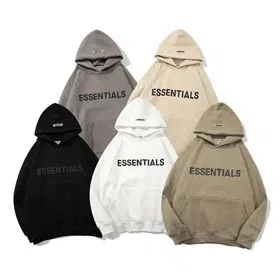

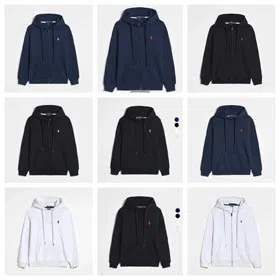
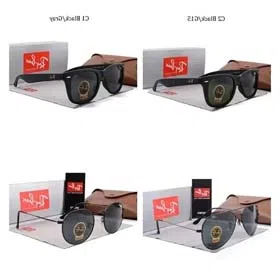
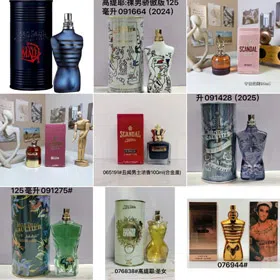
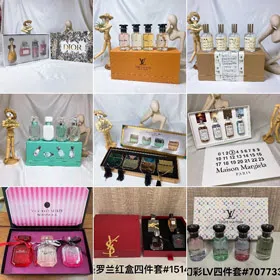
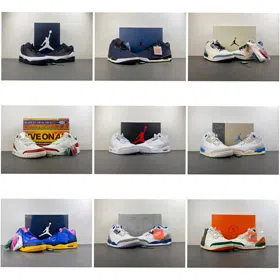
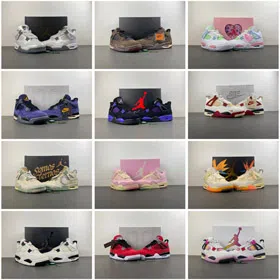
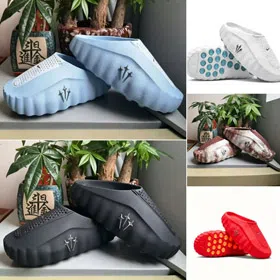
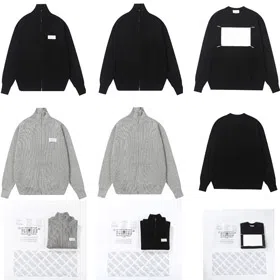
In cross-border daigou (代购), ensuring product quality is a top priority—especially when shopping for luxury, fashion, and electronics on platforms like Kakobuy. With a diverse catalog featuring items from Jordan 4 Retro sneakers ($34.25) and Prada casual wear ($25.75-$38.08) to Rolex watches ($52.05) and Dior perfume ($14.79) (explore the full range at https://kakobuy.fun/hot), Kakobuy’s rigorous Quality Control (QC) process stands as a critical safeguard against subpar products. But to truly leverage this process for smarter shopping, daigou enthusiasts need a structured way to record, analyze, and act on QC results—and a Kakobuy Spreadsheet is the perfect tool. This guide breaks down Kakobuy’s QC workflow in detail, shows how to document 质检 (quality inspection) outcomes in a spreadsheet, and explains how to use this data to filter high-quality goods and refine future purchasing decisions on the platform.
An In-Depth Look at Kakobuy’s QC Process: From Sourcing to Shipment
Kakobuy’s QC system is designed to ensure every product meets strict quality standards before reaching the buyer, covering authenticity, craftsmanship, functionality, and packaging. Unlike basic inspection processes on other daigou platforms, Kakobuy’s QC is multi-layered and tailored to different product categories—critical for items ranging from delicate luxury goods to durable sportswear. Here’s a step-by-step breakdown of how it works:
1. Pre-QC: Supplier Vetting & Product Sourcing
Kakobuy’s QC process begins long before a product is listed. The platform vets all suppliers thoroughly, prioritizing Verified Sellers and Top Sellers with a proven track record of quality. For high-value items like Rolex watches (3 qualities, 14 styles) and Dior B22-B23 sneakers ($45.21), Kakobuy conducts additional supplier audits to confirm authenticity and production standards. Only products from trusted sources are approved for listing on https://kakobuy.fun/hot, laying the foundation for reliable QC results.
2. Inbound Inspection: Initial Quality Checks
When products arrive at Kakobuy’s warehouses, they undergo a preliminary inspection focused on:
Packaging Integrity: Checking for damage, tampering, or missing components (e.g., authenticity cards for Gucci items, charging cables for AirPods 3).
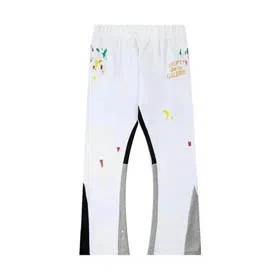
Visual Authenticity: Verifying brand logos, stitching, materials, and serial numbers against official standards (e.g., crisp Louis Vuitton monograms, precise stitching on AMIRI jeans).
Basic Functionality: Testing core features (e.g., watch movements, shoe sole flexibility, perfume spray mechanisms) to ensure they work as intended.
3. Category-Specific Detailed QC
Kakobuy’s QC team applies specialized checks based on product type, ensuring category-specific quality standards are met:
Fashion & Footwear: Inspecting for fabric defects, uneven stitching, size accuracy (e.g., Prada Casual Sneakers -0015 fit), and color consistency (critical for limited-edition Jordan 4 Retro colorways).
Luxury Goods: Validating authenticity markers (e.g., Rolex’s laser-engraved serial numbers, Cartier sunglasses’ brand engravings), material quality (genuine leather for LV bags), and hardware functionality (zippers, buckles).
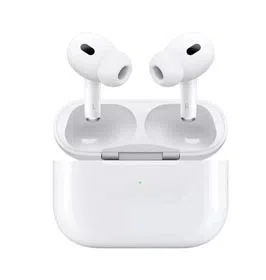
Electronics & Accessories: Testing battery life (Apple Watch S10), connectivity (AirPods 3), and build quality (Diamond Bracelet’s stone settings).
Beauty & Fragrance: Checking for expired products, leaking containers (Dior Perfume), and proper labeling (ingredients, manufacturing dates).
4. QC Reporting & Documentation
After inspection, each product receives a QC Report with a pass/fail status and detailed notes. Passed items are approved for shipping, while failed products are either returned to the supplier or flagged for further review. Kakobuy makes these reports available to buyers upon request, providing transparency into the product’s quality before purchase—a key advantage for daigou shoppers.
5. Pre-Shipment Re-Inspection
Before final dispatch, Kakobuy conducts a quick re-inspection to ensure no damage occurred during warehouse storage and that all QC-approved features remain intact. This final check adds an extra layer of protection, especially for fragile items like glass perfume bottles or delicate jewelry.
Step 1: Building a Kakobuy QC Spreadsheet to Track Quality Data
To turn Kakobuy’s QC reports into actionable insights, a customized spreadsheet (optimized for Google Sheets, Microsoft Excel, or cloud-based tools) is essential. This spreadsheet centralizes QC results, product details, and seller information, allowing you to compare quality across items, identify reliable sellers, and spot patterns in QC outcomes. Unlike generic note-taking, the spreadsheet is structured to capture Kakobuy-specific QC metrics, with columns tailored to the platform’s inspection process and product categories. Below is the ultimate Kakobuy QC Spreadsheet template, with real examples from https://kakobuy.fun/hot:
表格
| Column Header | Description | Example Entries (Kakobuy Products) |
|---|---|---|
| Product Details | Exact name, style code, category (from Kakobuy hot page) | Jordan 4 Retro -0001 (Footwear); Rolex Watches -0396 (Luxury); Dior Perfume -0302 (Beauty) |
| Kakobuy Price (USD) | Listed price on the platform | $34.25; $52.05; $14.79 |
| Seller Information | Seller type (Verified/Top/Standard) + store link | Verified Seller; Top Seller (Luxury Specialty); https://kakobuy.fun/seller/luxurydeals |
| QC Report Status | Pass/Fail/Partial Pass (from Kakobuy’s report) | Pass; Partial Pass (minor packaging flaw); Fail (stitching defect) |
| Category-Specific QC Results | Key inspection outcomes for the product type | Footwear: “Stitching even, size accurate, sole intact”; Luxury: “Authentic serial number, leather quality verified”; Beauty: “No leaks, expiration date valid” |
| QC Defects Identified | Any issues flagged (e.g., cosmetic, functional) | None; “Minor scratch on watch case (cosmetic only)”; “Perfume sprayer malfunction (functional)” |
| QC Score (1-10) | Subjective rating based on report details (1=poor, 10=excellent) | 9; 7; 3 |
| Authenticity Confirmation | QC verification of genuine vs. counterfeit | Genuine (brand serial matched); Genuine; Not verified (QC failed) |
| Shipping Eligibility | Whether QC-approved for international shipping | Yes; Yes (with protective packaging); No (failed functional check) |
| Post-Purchase Quality Feedback | Your own assessment after delivery (aligns with QC report?) | “Matches QC report—excellent quality”; “QC noted minor scratch—consistent with received item”; “QC failed—product returned for refund” |
| Future Purchase Recommendation | Will you buy from this seller/category again? | Yes; Yes (with QC check); No |
| Notes | Additional context (e.g., seller response to defects, QC report link) | “Seller provides free QC photos”; “QC report link: [URL]”; “Kakobuy offered full refund for failed item” |
Pro Tips for Populating the QC Spreadsheet
To ensure your spreadsheet is accurate, useful, and aligned with Kakobuy’s QC process, follow these best practices:
Request QC Reports Before Purchase: For high-value items (e.g., Rolex, Prada), contact the seller or Kakobuy’s customer service to obtain the QC report prior to ordering. This lets you pre-screen products and add details to the spreadsheet before committing to a purchase.
Extract Data Precisely: Transcribe QC report details exactly (e.g., “stitching even” vs. “good stitching”) to maintain consistency. This ensures accurate comparison across products.
Update Post-Delivery: After receiving the product, cross-reference your own inspection with the QC report and update the “Post-Purchase Quality Feedback” column. This helps validate Kakobuy’s QC accuracy and identify any discrepancies.
Color-Code for Quick Scanning: Use conditional formatting to highlight QC scores (e.g., green for 8-10, yellow for 5-7, red for 1-4) and QC status (green for Pass, red for Fail). This lets you filter high-quality products at a glance.
Step 2: Using the Spreadsheet to Filter High-Quality Kakobuy Products
The true value of the Kakobuy QC Spreadsheet lies in its ability to turn raw data into actionable shopping decisions. By leveraging the spreadsheet’s filtering, sorting, and comparison features, you can quickly identify high-quality products, avoid risky purchases, and prioritize reliable sellers—saving time and reducing the risk of disappointment. Here’s how to apply the spreadsheet for product filtering:
1. Filter by QC Score & Status
Sort the spreadsheet by QC Score (highest to lowest) and QC Status (Pass only) to create a curated list of high-quality items. For example:
When shopping for sneakers, filter to show only products with a QC Score of 8-10 and “Pass” status—this ensures you’re only considering items with flawless stitching, accurate sizing, and no defects (e.g., Jordan 4 Retro -0001 with a 9/10 score).
For luxury goods like Rolex watches, set a minimum QC Score of 9/10 and require “Authenticity Confirmation” to avoid counterfeit risks.
2. Prioritize Verified/Top Sellers with Strong QC Track Records
Filter the spreadsheet by Seller Information to compare QC scores across sellers. For example:
If “LuxuryDeals” (a Verified Seller) has an average QC Score of 9.2 across all their Rolex listings, while a Standard Seller has an average score of 6.8, prioritize “LuxuryDeals” for future luxury purchases.
Add a “Seller QC Average” column to calculate and track each seller’s overall quality performance—this turns the spreadsheet into a trusted seller ranking tool.
3. Avoid Categories/Products with Recurring QC Defects
Sort the spreadsheet by QC Defects Identified to spot recurring issues in specific categories or products:
If multiple Dior B30 Series sneakers ($45.21) have “sole separation” flagged in QC reports, avoid that model or choose a different seller.
If beauty products like Dior Perfume frequently have “leaking containers” as a defect, opt for products with secure packaging (noted in the “Notes” column).
4. Validate QC Accuracy with Post-Purchase Feedback
Use the “Post-Purchase Quality Feedback” column to identify products where Kakobuy’s QC report aligns with real-world quality. For example:
If 10/10 products from a specific seller have feedback like “Matches QC report,” this confirms the seller’s QC is reliable.
If a product’s QC report says “Pass” but your feedback notes “major stitching defect,” flag the seller and avoid future purchases from them.
Step 3: Optimizing Future Shopping Choices with QC Spreadsheet Insights
Beyond filtering current products, the Kakobuy QC Spreadsheet is a powerful tool for refining your long-term daigou strategy. By analyzing historical QC data, you can identify patterns, avoid repeat mistakes, and make data-driven decisions that improve the quality and value of every future purchase on Kakobuy. Here’s how to leverage the spreadsheet for ongoing optimization:
1. Identify High-Quality Product Categories
Calculate the average QC Score for each product category (e.g., footwear, luxury, electronics) to see which categories consistently meet high standards. For example:
If footwear has an average QC Score of 8.5, while beauty products have an average of 6.2, focus more of your daigou budget on footwear (e.g., Jordan, Prada sneakers) and exercise extra caution with beauty purchases.
2. Refine Seller Selection Over Time
As you add more entries to the spreadsheet, your “Seller QC Average” column becomes a definitive ranking of Kakobuy sellers. Over time, you’ll build a list of “trusted sellers” with consistently high QC scores—these are the first places to look when shopping for new products. For example, if a Top Seller specializing in streetwear has a 9.0 QC average for AMIRI jeans and Trapstar T-shirts, prioritize their listings for future fashion purchases.
3. Adjust Expectations for Price vs. Quality
Use the spreadsheet to analyze the correlation between price and QC Score. For example:
If budget-friendly items like New Hell Star sneakers ($16.16) have an average QC Score of 7.0, while premium products like Balenciaga Triples ($82.19) have an average of 9.3, you’ll know that higher prices on Kakobuy often correlate with better quality—helping you set realistic budgets for high-quality goods.
If a mid-priced item (e.g., Gucci -0765, $23.15) has a QC Score of 8.8, it’s a “sweet spot” of quality and value—add it to a “Top Picks” tab in the spreadsheet for quick reference.
4. Provide Feedback to Kakobuy to Improve QC
Use the spreadsheet’s “QC Defects Identified” and “Post-Purchase Quality Feedback” columns to compile feedback for Kakobuy’s customer service. For example, if multiple products from a category have the same defect (e.g., “loose stitching on LV belts”), share this data with Kakobuy to request stricter QC checks for that item type. This not only improves the platform’s QC process but also benefits the entire daigou community.
5. Plan Bulk/Repeat Purchases Confidently
For daigou agents or frequent shoppers, the spreadsheet lets you plan bulk purchases with confidence. For example, if you need to source 10 pairs of Jordan 4 Retro sneakers for clients, filter the spreadsheet to show the seller with the highest QC average for that model—ensuring consistent quality across all units. The spreadsheet also lets you track past bulk orders and their QC results, making repeat purchases more efficient.
Step 4: Maintaining & Evolving Your Kakobuy QC Spreadsheet
To keep your spreadsheet a valuable tool for long-term daigou success, follow these maintenance tips:
Update Regularly: Add new products and their QC reports to the spreadsheet after every Kakobuy purchase. The more data you accumulate, the more reliable your insights will be.
Archive Old Entries: Move products you’re unlikely to purchase again to an “Archive” tab. This keeps the main spreadsheet focused on active interests while preserving historical data for analysis.
Add New Columns as Needed: As Kakobuy expands its product range or updates its QC process, add columns to capture new metrics (e.g., “Eco-Friendly Packaging Check” for sustainable products).
Share with the Daigou Community: Post a view-only link to your spreadsheet in Kakobuy forums or social media groups. Other shoppers can benefit from your data, and they may share their own QC insights to help you refine the spreadsheet further.
Final Thoughts: QC Data + Spreadsheet = Smarter Kakobuy Daigou
Kakobuy’s rigorous QC process is a game-changer for cross-border daigou, but its full potential is unlocked when paired with a structured spreadsheet. By documenting QC results, filtering high-quality products, and analyzing historical data, you turn Kakobuy’s quality safeguards into a personalized shopping guide—one that helps you avoid subpar items, prioritize reliable sellers, and make confident purchasing decisions every time.
Whether you’re a casual shopper looking for a pair of Jordan sneakers, a daigou agent sourcing luxury goods for clients, or a collector hunting for authentic Rolex watches, the Kakobuy QC Spreadsheet is your secret weapon. Start by exploring Kakobuy’s product range at https://kakobuy.fun/hot, build your spreadsheet with the template outlined in this guide, and begin documenting QC results for every purchase. Over time, you’ll create a powerful resource that not only improves your own daigou experience but also contributes to a more transparent, quality-focused cross-border shopping community.
With Kakobuy’s QC process and your spreadsheet as allies, you can shop with confidence, knowing every product you choose is backed by data—and every purchase brings you closer to mastering the art of high-quality daigou.