Decode Kakobuy QC Process: Use Spreadsheet to Track Quality & Optimize Daigou Choices
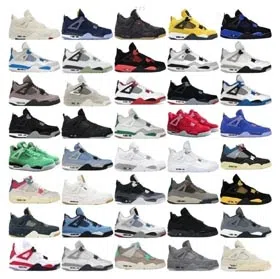
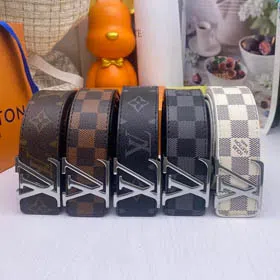
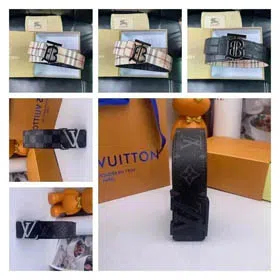
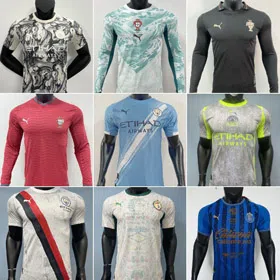
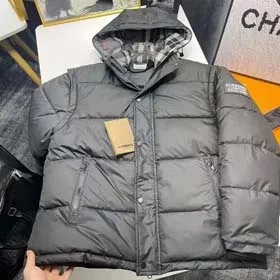
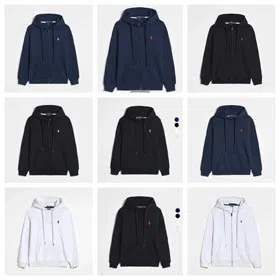
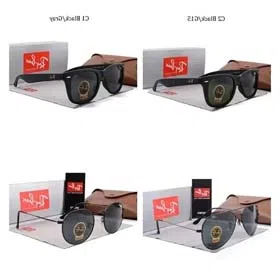
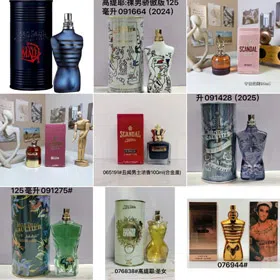
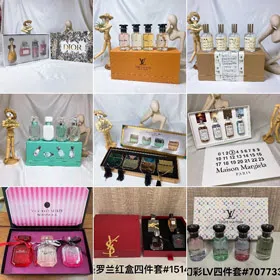
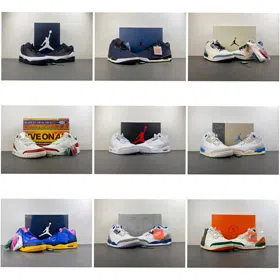
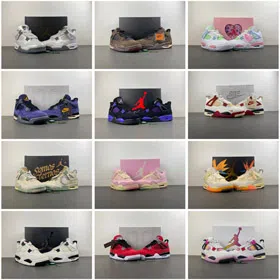
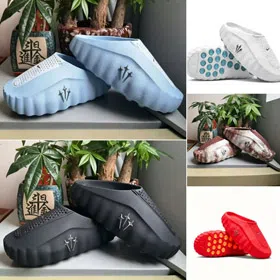
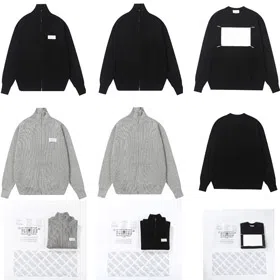
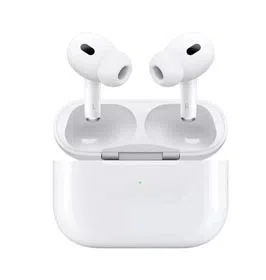
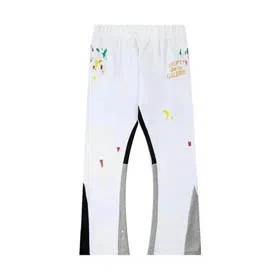
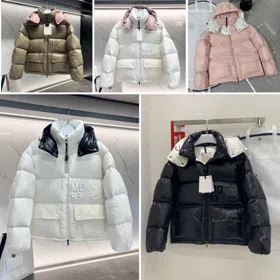
Quality control (QC) is the backbone of trustworthy cross-border daigou (代购) on Kakobuy—especially when sourcing coveted items like the $34.25 Jordan 4 Retro-0001, $54.66 LV bucket bag-0187, or $38.08 Prada Casual Sneakers-0015 from https://kakobuy.fun/hot. Kakobuy’s rigorous QC process is designed to verify authenticity, inspect product condition, and ensure items meet global quality standards before they ship to shoppers. However, to truly leverage this process for long-term daigou success, a Kakobuy Spreadsheet becomes an indispensable tool: it lets you systematically log QC results, identify patterns in product quality, and filter out low-quality items or unreliable sellers. By pairing Kakobuy’s built-in QC checks with a customized spreadsheet, you transform one-time quality verifications into data-driven shopping decisions—ensuring every purchase meets your standards and optimizing future choices based on real-world feedback.
An Inside Look at Kakobuy’s QC Process: How It Safeguards Daigou Quality
Kakobuy’s QC workflow is a multi-step system tailored to the unique risks of cross-border commerce, with a focus on authenticity, condition, and consistency. Understanding this process helps you interpret results and log meaningful data in your spreadsheet:
Step 1: Pre-QC Seller Vetting
Before products even enter the QC pipeline, Kakobuy vets sellers based on historical performance, customer reviews, and authenticity track records. Sellers with a history of quality issues are flagged, and their products undergo enhanced inspections. This layer ensures that items from https://kakobuy.fun/hot are sourced from trusted partners—though individual product checks remain critical.
Step 2: Authenticity Verification (Core QC Pillar)
For luxury and branded items (e.g., LV, Gucci-0765, Rolex watches-0396), authenticity is non-negotiable. Kakobuy’s QC team uses:
Brand-specific verification tools (e.g., hologram checks for Rolex, monogram pattern analysis for LV).
Material and craftsmanship inspections (e.g., stitching consistency for Balenciaga Triples-0515, hardware engravings for Cartier sunglasses-0260).
Documentation review (e.g., authenticity certificates for high-value items).Items failing this step are rejected, and sellers may face penalties—protecting shoppers from counterfeits.
Step 3: Physical Condition Inspection
Every product undergoes a detailed visual and functional check to identify defects:
Apparel & Accessories: Stains, tears, loose threads, incorrect sizing labels, or color discrepancies (e.g., comparing Trapstar T-Shirt-1049 to listing photos).
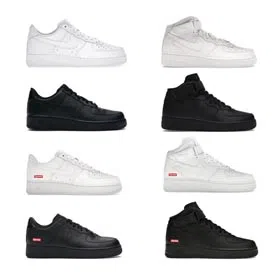
Footwear: Scuffs on sneakers (Nike Air Force-0012), sole damage, uneven glue application, or misaligned logos (e.g., Prada Casual Sneakers-0015).
Electronics: Functionality tests for AirPods 3-0102 (sound, battery) or Apple Watch S10-0112 (display, connectivity).
Luxury Goods: Scratches on LV belt-0246 buckles, hardware tarnish, or structural damage to GOYARD Fashion bags-0182.QC inspectors grade condition on a scale (e.g., A = Like New, B = Minor Imperfections, C = Defective) and document issues with photos.
Step 4: Packaging & Labeling Review
To ensure items survive international shipping, Kakobuy’s QC team verifies:
Secure packaging (e.g., dust bags for luxury bags, shock-absorbent materials for electronics).
Accurate labeling (product name, size, SKU) to avoid shipping errors.
Inclusion of accessories (e.g., extra laces for sneakers, authenticity cards for watches).
Step 5: QC Feedback & Resolution
After inspection, shoppers receive a detailed QC report via the Kakobuy app, including:
Pass/Fail status.
Condition grade and photo documentation of defects (if any).
Options to accept the item, request a replacement, or cancel the order (depending on severity).This feedback is the raw data you’ll log in your spreadsheet to drive future decisions.
Building a Kakobuy QC Tracking Spreadsheet: Turn Feedback into Insights
A tailored spreadsheet transforms fragmented QC reports into actionable quality insights. It features three core tabs: a QC Result Log, a Product Quality Scorecard, and a Seller Reliability Tracker—all aligned with the products and sellers on https://kakobuy.fun/hot. The template uses conditional formatting and formulas to highlight trends, making it easy to identify high-quality products and avoid repeat disappointments.
Tab 1: QC Result Log – Document Every Inspection Detail
This tab serves as a centralized record of all QC reports, ensuring no defect or quality trend goes unnoticed. Key columns include:
Product & Order Details:
Order ID, Purchase Date, and Seller Name (with link to Kakobuy store).
Product Information: Name, SKU (e.g., LV bucket bag-0187), Category (e.g., luxury bags), and direct link to https://kakobuy.fun/hot listing.
Price: Original purchase price (to correlate quality with cost).
QC Report Metrics:
Authenticity Result: Dropdown (Pass, Fail, Pending).
Condition Grade: Dropdown (A = Like New, B = Minor Imperfections, C = Defective).
Defect Details: Specific issues from the QC report (e.g., "Scratch on LV belt buckle", "Loose thread on AMIRI Shirt-0426", "Battery issue with AirPods 3-0102").
Defect Photos: Link to QC images (from Kakobuy app) for reference.
Resolution & Feedback:
Action Taken: Dropdown (Accepted, Requested Replacement, Canceled Order).
Post-Delivery Verification: Notes on whether the received item matched the QC report (e.g., "QC reported minor scuff—consistent with received product").
Tab 2: Product Quality Scorecard – Rank Items by Consistency
This tab aggregates QC data to score products based on quality consistency, helping you prioritize purchases. Core columns include:
Product Core Info: Name, SKU, Category, and Base Price.
Quality Metrics:
Number of Purchases: How many times you’ve bought the item (to measure sample size).
Pass Rate: Auto-calculated percentage (QC Passes ÷ Total Purchases) – e.g., "100%" for 5/5 passes.
Average Condition Grade: Auto-calculated (e.g., "A-" for 3 A’s and 2 B’s).
Defect Frequency: Common issues (e.g., "20% of Jordan 4 Retro-0001 have minor sole scuffs").
Recommendation Flag: Conditional formatting to highlight top performers (e.g., green = Pass Rate ≥ 90% + Average Grade ≥ B+) and problematic items (e.g., red = Pass Rate < 70%).
Tab 3: Seller Reliability Tracker – Identify Trusted Partners
Quality often ties to the seller—this tab helps you separate consistent performers from risky vendors. Key columns include:
Seller Details: Name, Kakobuy store link, and Verification Status (e.g., "Authenticity Verified").
Quality Performance:
Number of Products Purchased: Total items bought from the seller.
Average QC Pass Rate: Auto-calculated (Total Passes ÷ Total Products) – e.g., "95%".
Defect Resolution Speed: How quickly the seller addressed issues (e.g., "2 days for replacement").
Reliability Grade: 1–5 score (5 = Most Reliable) based on pass rate and resolution quality.
Notes: Seller-specific trends (e.g., "Seller X consistently ships A-grade luxury bags", "Seller Y has frequent sizing issues with apparel").
Step-by-Step: Use the Spreadsheet to Optimize Daigou Quality
The spreadsheet turns QC feedback into a repeatable process for selecting high-quality items. Follow this workflow to make data-driven decisions:
Step 1: Log QC Reports in Real Time
As soon as you receive a Kakobuy QC report, log all details in Tab 1. Be specific:
For a "B" grade Prada Casual Sneakers-0015, note "Minor scuff on toe cap" instead of just "imperfections".
Link to QC photos to reference if you encounter similar issues later.
Mark the action taken (e.g., "Accepted – scuff was negligible") to track how you respond to different defects.
Step 2: Analyze Quality Trends with Tab 2
Regularly (e.g., monthly) review Tab 2 to identify patterns:
Top-Quality Products: Prioritize items with 90%+ pass rates and A/B grades (e.g., "Nike Air Force-0012: 100% pass rate, all A-grade").
Problematic Items: Avoid products with frequent defects (e.g., "Balenciaga Track 3.0-0029: 30% have loose stitching").
Cost-Quality Correlation: Determine if higher-priced items deliver better quality (e.g., "Rolex watches-0396: 100% pass rate vs. $9.32 Denim tears T-shirt-0930: 80% pass rate").
Step 3: Evaluate Sellers with Tab 3
Use the Seller Reliability Tracker to refine your vendor choices:
Prioritize 4–5 Star Sellers: Focus purchases on vendors with high pass rates and fast defect resolution (e.g., "Seller Z: 95% pass rate, 1-day replacement for defective items").
Avoid Low-Grade Sellers: Steer clear of vendors with <70% pass rates or slow resolution (e.g., "Seller Y: 60% pass rate, 10-day wait for replacements").
Seller-Specific Adjustments: If a seller excels in one category but struggles in another (e.g., "Great for sneakers, poor for apparel"), log this to tailor future orders.
Step 4: Optimize Future Purchases
Use spreadsheet insights to make smarter daigou choices:
Product Selection: Filter Tab 2 to show only top-quality items before browsing https://kakobuy.fun/hot – e.g., "Show all luxury bags with 90%+ pass rate".
Seller Assignment: When buying a new product, check Tab 3 to find the most reliable seller for that category (e.g., "Buy Gucci-0765 from Seller Z – 100% pass rate for Gucci accessories").
Defect Prevention: If a product has frequent minor defects (e.g., "T-shirt printing misalignment"), factor this into your decision (e.g., "Accept minor flaws for low-cost items, avoid for luxury goods").
Step 5: Update the Spreadsheet Post-Delivery
After receiving your item, verify it matches the QC report and update Tab 1:
Note any unreported defects (e.g., "QC didn’t mention loose strap on GOYARD bag").
Adjust the Product Quality Scorecard and Seller Reliability Tracker to reflect real-world performance.
This closes the loop, ensuring your spreadsheet remains accurate and actionable.
Pro Tips for Maximizing QC Insights & Daigou Quality
To elevate your quality control process and unlock even more value from the spreadsheet, leverage these expert tips—tailored to Kakobuy’s QC system and cross-border daigou dynamics:
Add a "Defect Severity" Column: Categorize issues as "Cosmetic" (e.g., minor scuff) or "Functional" (e.g., broken zipper) to prioritize concerns. A cosmetic defect may be acceptable for a casual T-shirt but a dealbreaker for a luxury bag.
Track QC Resolution Satisfaction: Add a column to Tab 1 to rate how well Kakobuy/seller resolved defects (e.g., "5/5 – replacement arrived in 3 days, perfect condition"). This helps you assess post-QC support.
Use Pivot Tables for Trend Analysis: For frequent shoppers, use pivot tables in Tab 2 to analyze quality by category (e.g., "Sneakers have 92% pass rate vs. electronics at 85%"). This reveals which product types are most consistently high-quality.
Sync with Kakobuy’s QC Enhancements: Kakobuy updates its QC process regularly (e.g., adding AI-powered authenticity checks for luxury goods). Add a "QC Process Notes" column to Tab 3 to log how these changes impact results (e.g., "New AI check reduced Gucci counterfeits – pass rate up 10%").
Share Insights with the Daigou Community: If you’re part of Kakobuy Discord/Reddit groups, share spreadsheet trends (e.g., "Seller X has 95% pass rate for LV bags") to help other shoppers. Reciprocal sharing can uncover hidden high-quality sellers or products.
Conclusion
Kakobuy’s robust QC process is a powerful safeguard for cross-border daigou, but its true value lies in how you leverage the feedback— and a customized spreadsheet is the key to turning that feedback into long-term quality assurance. By documenting QC results, analyzing product and seller trends, and using data to guide purchases, you eliminate the guesswork from daigou and ensure every item from https://kakobuy.fun/hot meets your quality standards.
For daigou enthusiasts, this approach isn’t just about avoiding defective products—it’s about building a curated, reliable shopping experience. The spreadsheet helps you identify trusted sellers, prioritize consistent performers, and adapt to quality trends—turning each QC report into a step toward smarter, more satisfying purchases. With Kakobuy’s QC process as your first line of defense and the spreadsheet as your strategic guide, you can shop with confidence, knowing you’re investing in high-quality products that deliver on their promise.